Pricing Ocean Views in La Jolla
January 1, 2026
January 1, 2026
What makes two similar La Jolla homes sell for very different prices? Often, it comes down to the ocean you can see from the living room. If you are buying or selling in La Jolla, getting the value of a view right can protect your bottom line and keep deals moving. In this guide, you will learn how view quality affects price, how to document and compare views, what legal and coastal factors to check, and how to present a clear view premium. Let’s dive in.
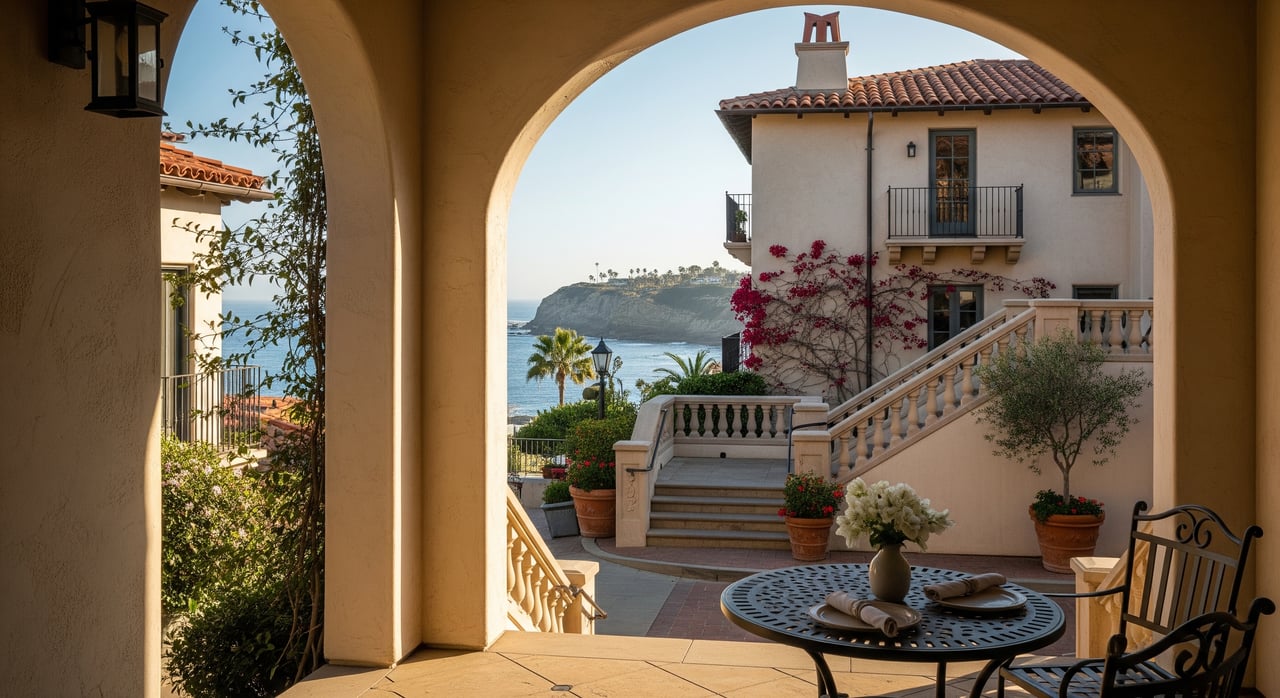
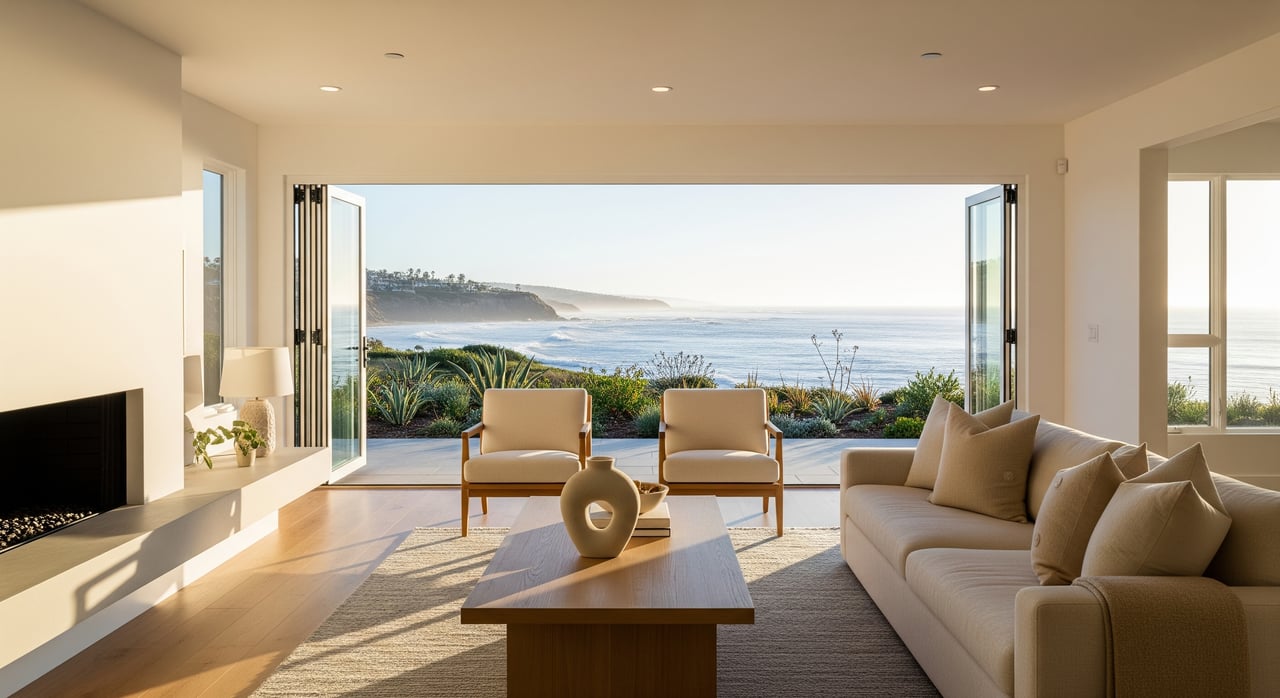
Not all views are equal, and buyers in La Jolla know it. The community blends oceanfront estates, bluff‑top homes, walk‑to‑beach cottages, and boutique condos across subareas like La Jolla Cove, La Jolla Shores, Muirlands, Bird Rock, and La Jolla Farms. Inventory with true ocean views is scarce, which raises the importance of view quality.
Here is a simple view hierarchy you can use:
La Jolla’s ocean‑view homes often command more because supply is limited and the lifestyle value is real. In this market, small differences in view can have a large effect on price, especially when comparable sales are thin.
Key attributes that affect value:
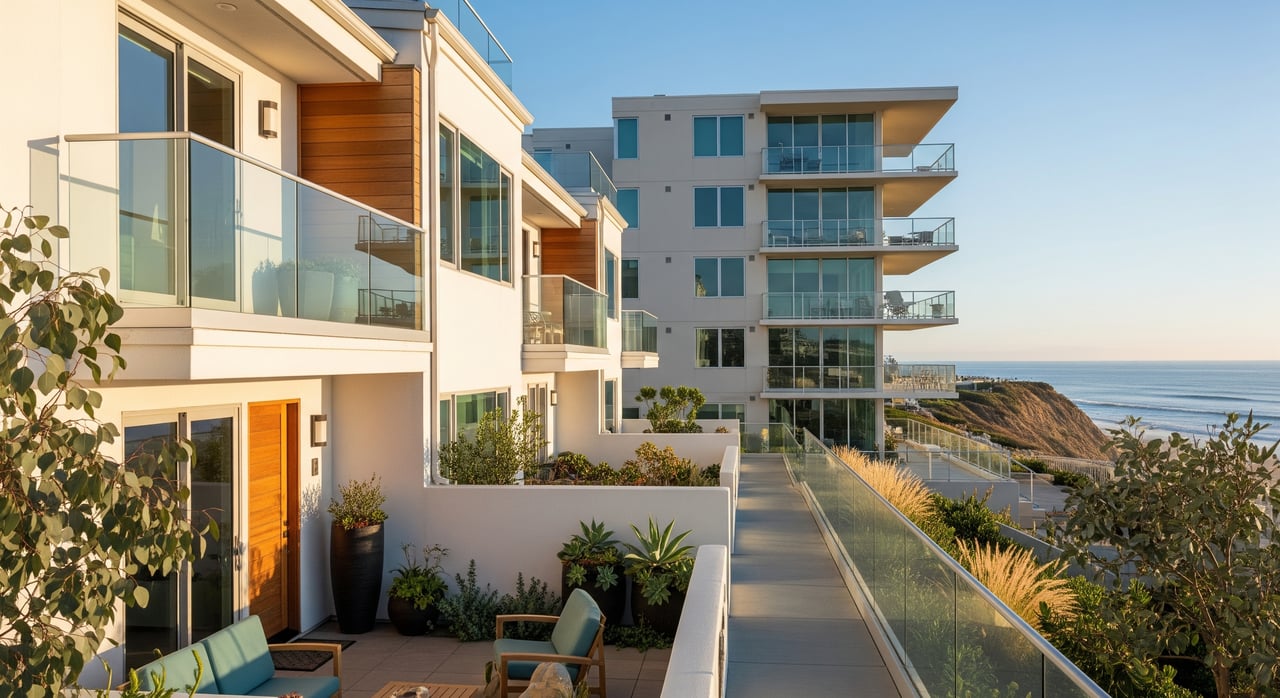
In La Jolla condos, floor level and building massing create clear value steps. Penthouse or upper floors with protected view corridors often trade at a premium. You should account for HOA fees, any special assessments, rules on balcony or window changes, and the potential for future renovations that could affect shared views.
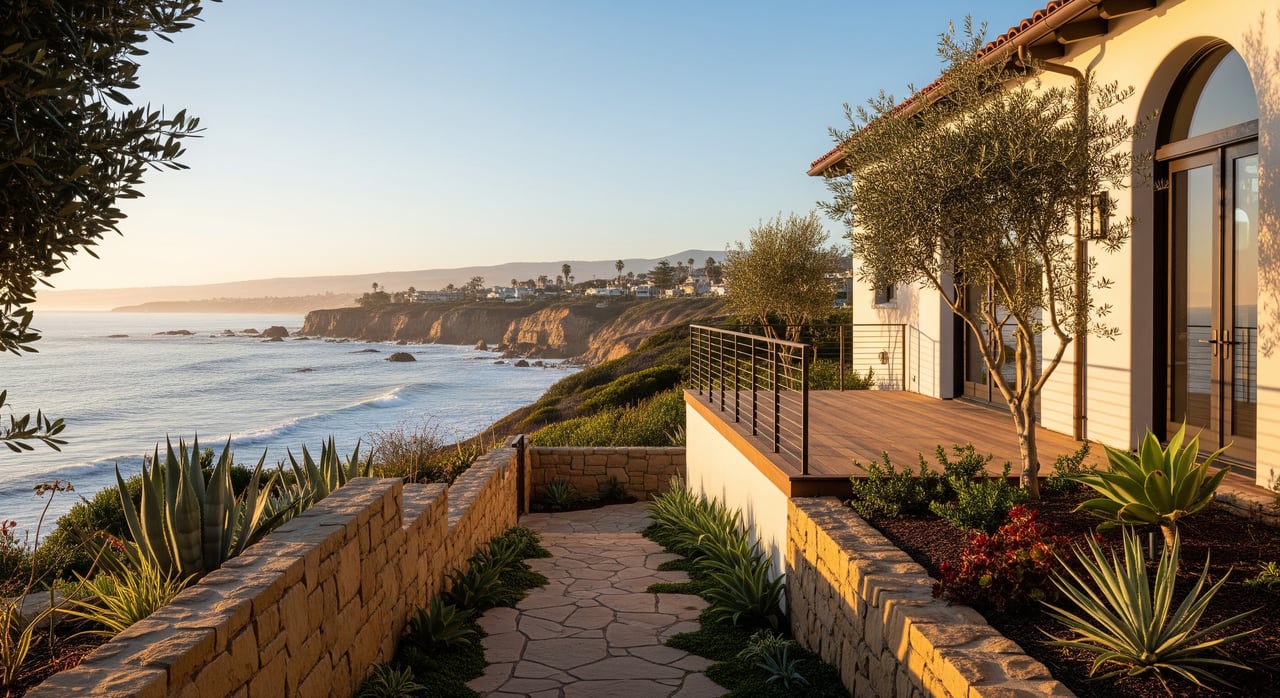
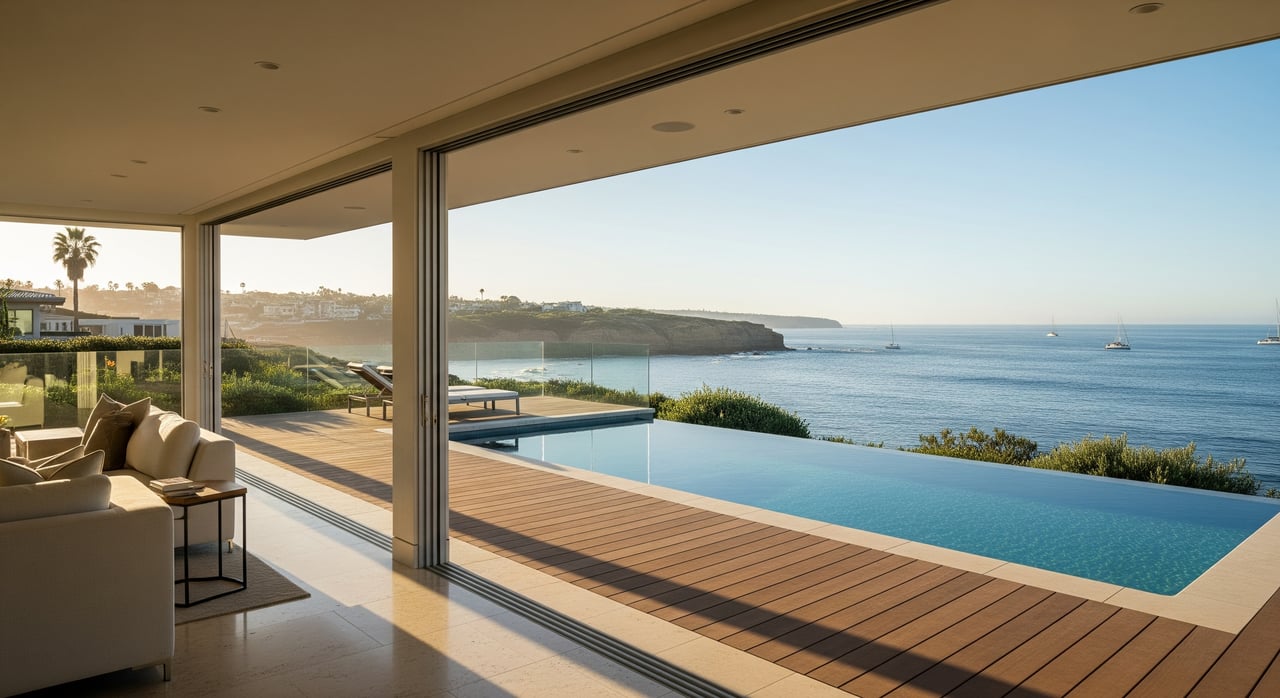
With detached homes, lot topography, landscape, and neighboring development potential play a bigger role. Two similar homes can perform very differently if one has a recorded view easement, a wider outdoor living area aligned to the horizon, or a lower risk of future obstruction. Pricing is more bespoke, and photo documentation is essential.
Use this process to build a defensible view premium for La Jolla:
Define and document the view. Photograph the view from main living areas, the primary suite, and outdoor spaces. Capture different times of day and note the percentage of water visible.
Classify the view into tiers. Use simple labels like panoramic unobstructed, partial, or peek‑a‑boo. Keep it consistent across the subject property and comparables.
Pull comps with similar view tiers. Filter by distance and elevation, and stay close in time. The local MLS and market recaps from the San Diego Association of REALTORS are helpful starting points.
Use paired sales when possible. Find two otherwise similar properties where one has the view and one does not. The price difference is your most defensible premium in a thin data set.
Adjust for non‑view factors. Square footage, bedroom and bath count, lot size, condition, parking, beach access, and HOA dues all matter. Keep written notes on each adjustment and support them with comps or cost estimates.
Consider statistical analysis with robust data. If you or your team maintains a large La Jolla data set, hedonic or regression analysis can help isolate view value. This requires expertise and consistent inputs.
Match strategy to market mood. In tight luxury conditions, a unique view can justify an aggressive list price. In slower periods, conservative pricing and clear documentation can keep buyers and appraisers aligned.
When you are paying a premium for a view, the chance that it could be blocked in the future matters. You can reduce uncertainty with a few checks:
Coastal property brings added disclosures and due diligence. In California, sellers must provide Natural Hazard Disclosures that identify seismic, flood, tsunami, and coastal bluff erosion zones. You can review state guidance on real‑estate hazard zones through the California Geological Survey’s disclosure page.
For bluff‑top properties, geotechnical evaluations are common and often expected by buyers. Sea‑level rise and erosion risk are increasingly part of negotiations. The NOAA Sea Level Rise Viewer offers helpful context on coastal flooding exposure.
Insurance and carrying costs can vary near the shore. Some insurers limit coverage on bluff‑top homes or increase premiums in higher‑risk zones. Ask early about availability and cost, and confirm any special assessments tied to coastal stabilization.
Whether you are listing or negotiating, the best way to justify a view premium is visual and data‑driven:
Pricing ocean views in La Jolla is part art, part science. A local advisor who understands construction, geotechnical nuances, and coastal regulations can help you avoid mispricing and surprises in escrow. If you are weighing renovations to improve a view, builder‑level insight can clarify what is feasible under coastal rules and where you will see the best return.
If you want a view‑specific pricing analysis or plan to list, connect with Matt Kidd to Request a Free Home Valuation.
Stay up to date on the latest real estate trends.