Should You Remodel Before Selling Your La Jolla Home?
February 19, 2026
February 19, 2026
Thinking about selling your La Jolla home and wondering if a remodel is worth it? You are not alone. In a luxury coastal market, even small upgrades can shift buyer perception and sale speed. This guide gives you a clear, local framework to decide what to fix, what to refresh, and when to sell as‑is so you protect your time and maximize your net. Let’s dive in.
La Jolla sits at the top of the San Diego market. Typical home values hover around the low to mid $2 million range, with Zillow’s neighborhood index showing about $2.34 million in late 2025 and early 2026. At this price point, targeted updates that improve “turnkey” appeal can move large dollar outcomes.
Countywide, San Diego prices have held strong over the past year. The luxury coastal submarket often behaves differently than inland areas, with buyers expecting high‑quality finishes and move‑in‑ready condition. The takeaway for you is simple. Judge any renovation decision against La Jolla comparable sales and buyer expectations, not national averages alone. For broader price context, review the county’s ongoing price strength reported by the San Diego Association of REALTORS here.
The Cost vs Value dataset is a widely used benchmark for resale returns. Use it as a directional guide, then calibrate to La Jolla comps you and your agent review. You can explore the current national and regional recoup rates at Cost vs Value.
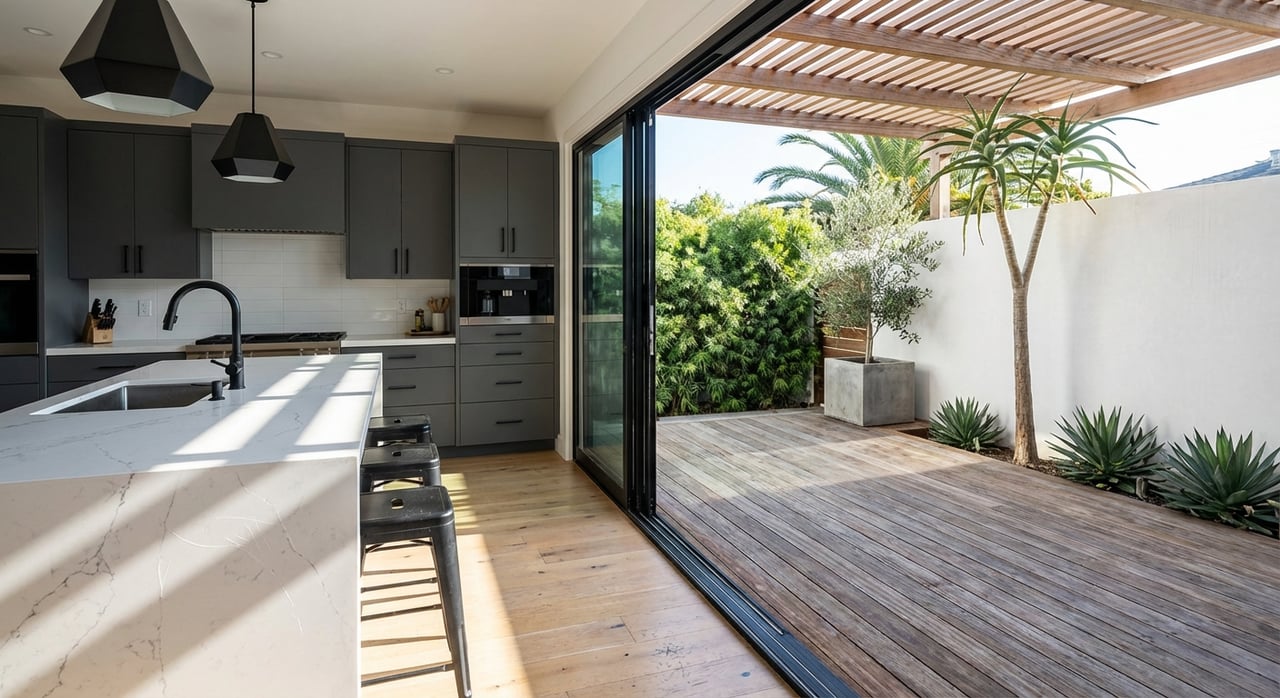
Minor kitchen refresh. Cost vs Value’s 2025 data shows a midrange kitchen remodel can recoup around 113 percent of its cost in national averages. In La Jolla, think new cabinet fronts, modern counters, updated appliances, and light layout tweaks. This level of refresh often shortens time on market while avoiding the over‑spend risk of a major luxury kitchen.
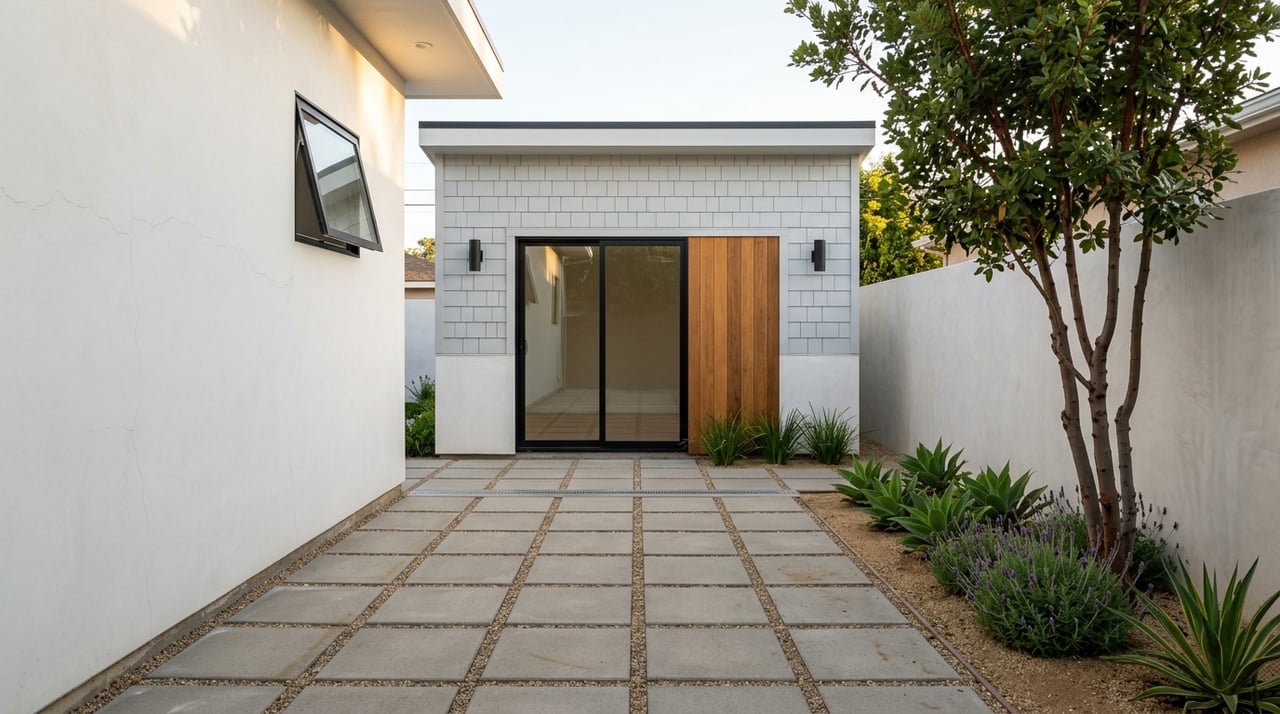
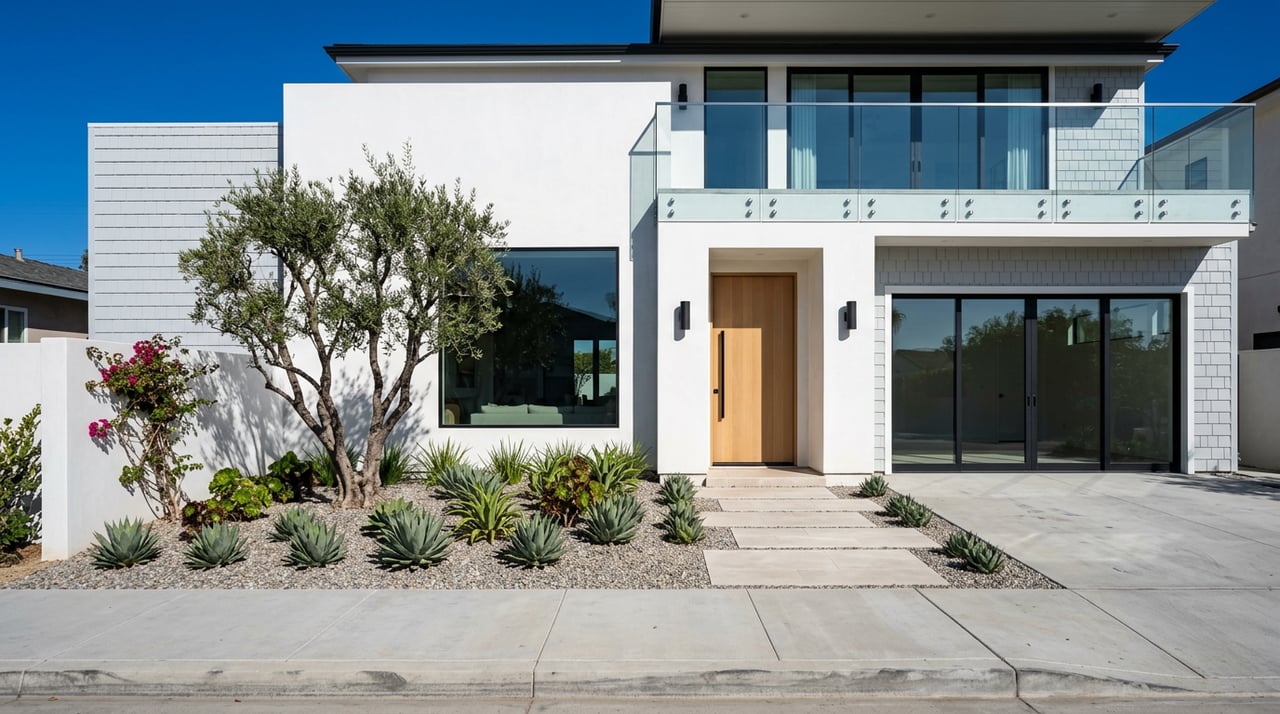
Front and garage doors, plus curb appeal. Entry and garage doors consistently sit near the top for resale recoup in the dataset. These are relatively lower‑cost upgrades with big first‑impression value, both in person and in photos.
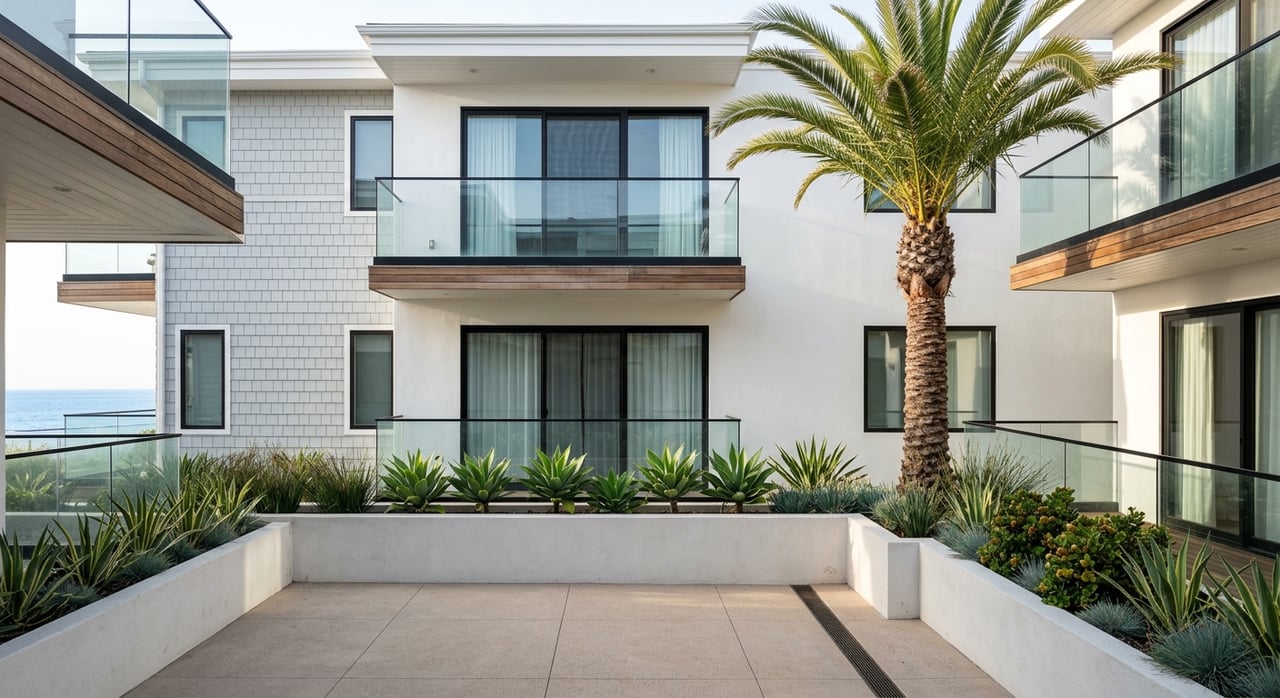
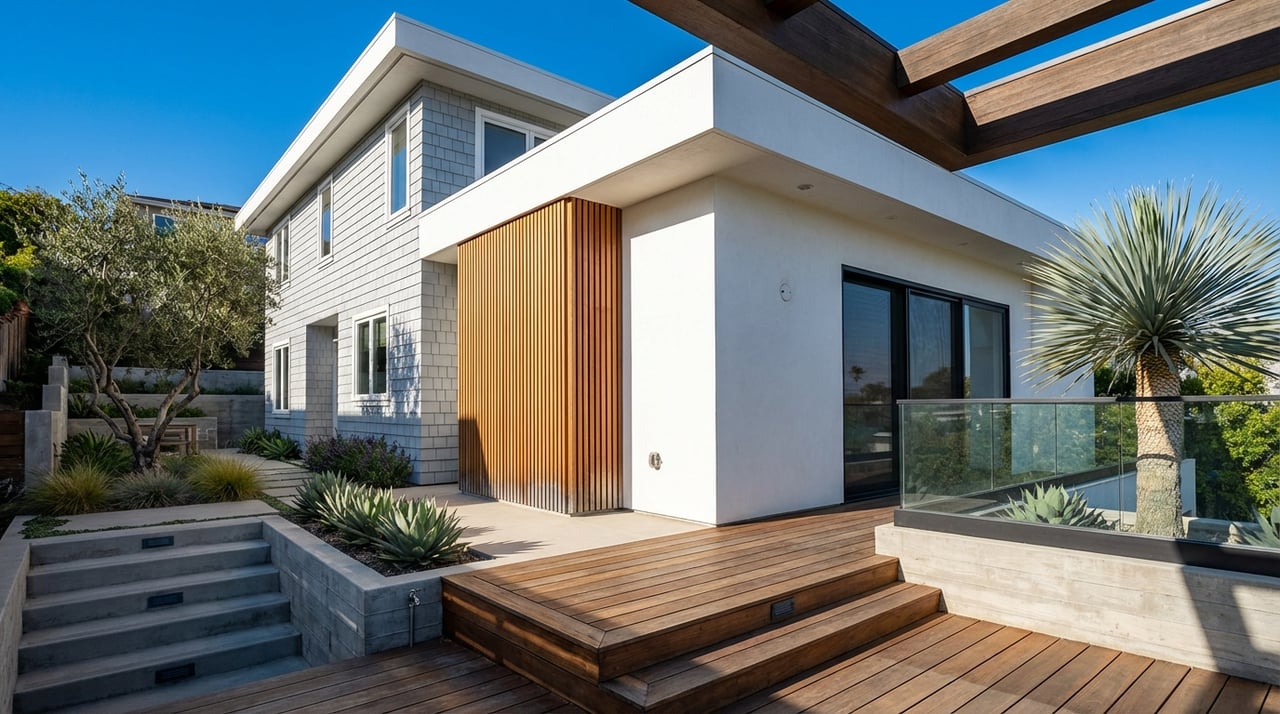
Outdoor living that sells the lifestyle. In La Jolla, decks, built patios, and covered terraces that improve indoor‑outdoor flow can materially increase buyer interest. Cost vs Value often shows strong recoup for quality decks. If your property is near a bluff or within coastal setbacks, confirm permit feasibility first.
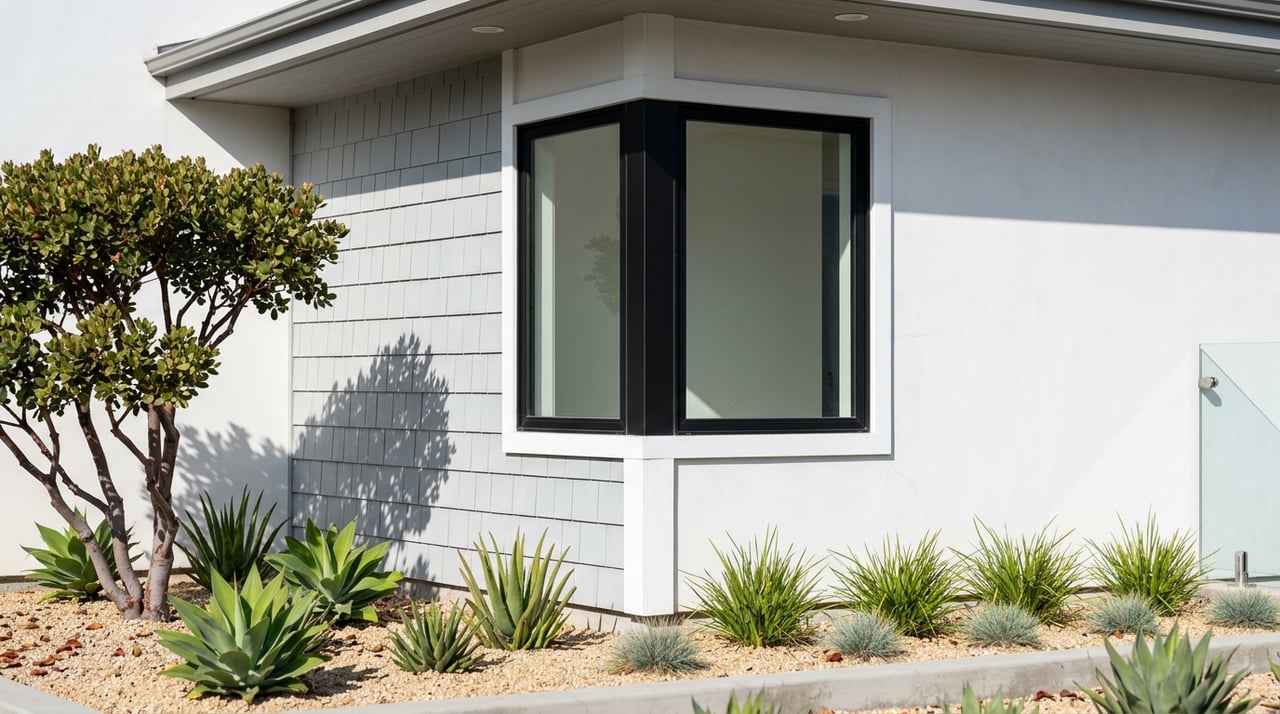
Window replacement. Vinyl or wood window replacements typically recoup about 70 to 76 percent in national averages. Fresh, durable windows matter for light, view framing, and perceived maintenance in a salty coastal environment. They are expensive, so weigh the spend against your timeline and comps.
Major systems and roof. New HVAC or a well‑documented roof improves buyer confidence and can reduce inspection friction. Returns are mixed on electrification or solar at resale and depend on incentives and buyer values. If you touch HVAC or windows at a larger scale, factor in California Title 24 energy code compliance and documentation.
Parts of La Jolla lie within the California Coastal Zone. Many exterior changes and structural projects require a Coastal Development Permit. The California Coastal Commission outlines permit categories and the appeal process here. On top of coastal review, the City of San Diego manages discretionary approvals. The city notes that many discretionary permits average 10 to 12 months to approve, which can stretch your timeline if you plan to list soon. Review the city’s information bulletin on discretionary processes here.
If your home is bluff‑top, within the beach corridor, or near tidelands, expect heightened review and potential appeals. That added uncertainty can make a remodel‑before‑sale strategy risky on a short clock.
Recent coastal filings in La Jolla show that exterior scopes like new balconies, window changes, and patio expansions can trigger coastal review and appear on public records. See an example CEQA filing in La Jolla here. If your upgrade touches a bluff edge, shoreline protection, or major exterior projections, involve a geotechnical professional early and confirm the permit path before you spend on design.
In a marine environment, materials matter. Salt and humidity accelerate corrosion, so stainless fasteners, coastal‑grade cladding, and durable window systems are smart choices. FEMA’s building science resources discuss coastal durability principles you can use when planning materials here.
Major window or HVAC replacements may trigger Title 24 energy compliance, which affects documentation, scope, and timeline. Review the current Building Energy Efficiency Standards from the California Energy Commission here and include these requirements in your estimates.
Use this six‑step process to decide remodel vs sell as‑is with confidence.
Get baseline diagnostics. Ask your agent for a local market analysis with comps in your sub‑neighborhood. Order a limited pre‑listing inspection focused on roof, foundation, plumbing, electrical, termite or wood‑destroying organisms, and a sewer scope if relevant. Removing surprises early helps you avoid credits or failed escrows later. NAR’s market insights on buyer and seller trends reinforce the value of strategic preparation, which you can review here.
Sort projects by priority and payback. Group items into four buckets: A) safety, code, and insurability must‑fixes; B) low‑cost, high‑impact cosmetics like paint, floors, and hardware; C) moderate‑cost value projects like minor kitchen refreshes, front or garage doors, and outdoor living improvements; D) high‑cost structural or amenity moves like a luxury kitchen expansion, ADU, or primary suite addition. Use Cost vs Value benchmarks to estimate recoup, then compare against your local top comparable sales.
Apply the timing test. If you plan to list in 0 to 3 months, focus on A and B only. If you have 3 to 12 months, consider C if it permits quickly. Category D projects often require multi‑quarter design and permitting and rarely pay back immediately unless they clearly place you in a higher supported price tier. Remember the city often takes 10 to 12 months for discretionary approvals, which can push a listing into the next cycle.
Get three apples‑to‑apples bids. Ask licensed contractors for written scopes that note permits, allowances, and a realistic schedule. Verify license and insurance through the Contractors State License Board here and request references for similar coastal jobs. Include a 10 to 20 percent contingency for coastal or permit surprises.
Model the true net. Estimate the expected price uplift from comps, then subtract project cost, carrying costs, permit and design fees, staging, and likely closing costs. Consider appraisal caps, potential Coastal Commission appeals, and change‑order risk. If the net is clearly positive and the schedule fits, proceed. If not, favor cosmetics and strong marketing.
Note the tax angle. Documented improvements add to your property’s basis, which can reduce taxable gain on sale. Many sellers still qualify for the principal residence exclusion, subject to IRS rules. Always consult your CPA for personalized guidance.
If you are 90 days or less from listing, prioritize speed and presentation.
These items are fast, visible, and budget friendly. Cost vs Value data supports strong returns for doors and exterior curb elements, and NAR research shows staging can help listings sell faster and for more.
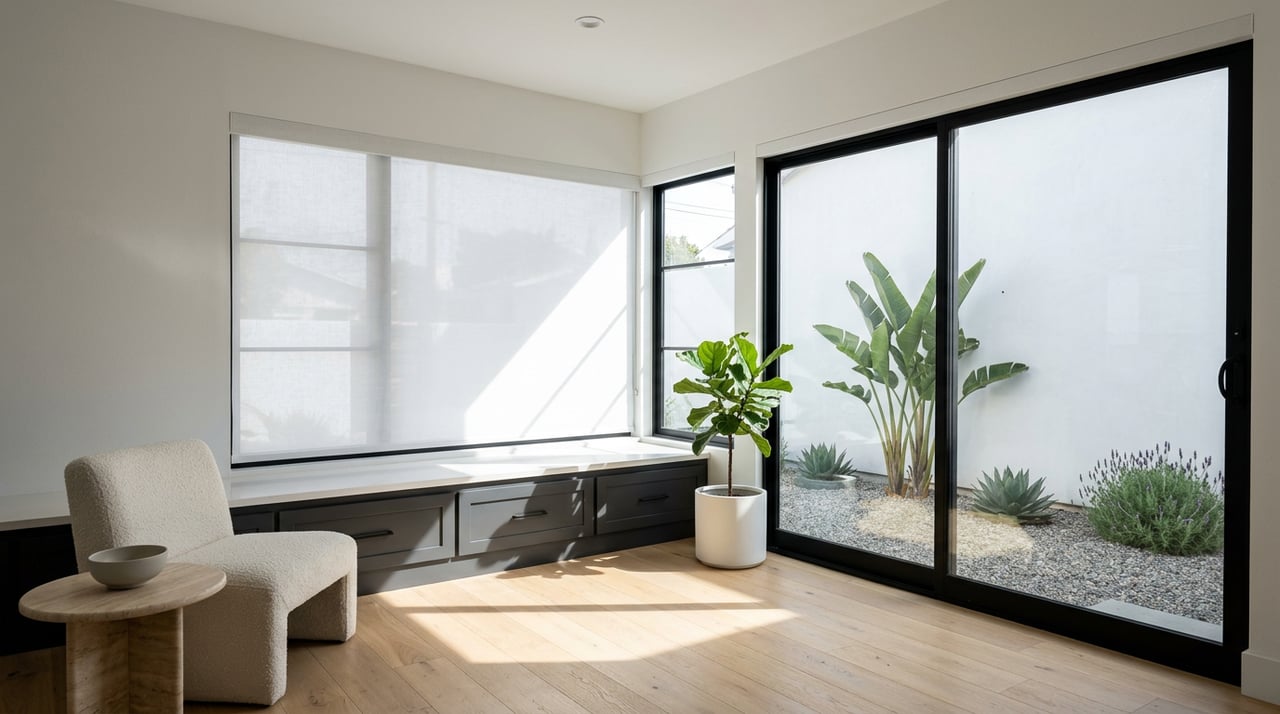
Your home is functionally sound but visually dated. A minor kitchen refresh, new doors, and staged outdoor zones can push you to the top of your comp set.
You have at least 3 to 12 months before listing. That window allows for moderate projects with straightforward permits.
Comps support a higher tier. If a targeted upgrade moves you into a clearly supported higher price band, the math can pencil.
You can manage coastal details. You have the right materials and vendors lined up to handle corrosion, wind, and code needs.
You plan to list in 0 to 3 months. Stick to must‑fix items and high‑impact cosmetics.
Your proposed project likely needs a Coastal Development Permit or city discretionary review. Long approvals and appeal risk can crush timelines.
You are already near the top comp. Over‑improving into an appraisal ceiling risks spending dollars you may not get back.
Structural unknowns or bluff constraints introduce high uncertainty. When scope creep is likely, it is safer to price accordingly and let buyers customize.
In La Jolla, a contractor‑savvy agent can save you months and protect your net. Here is how that expertise shows up for you:
Permit triage before you spend. An experienced agent helps you spot whether a deck, balcony, or exterior change will trigger a Coastal Development Permit or appeal risk. Start with the Coastal Commission’s CDP guidance and a quick read of the city’s discretionary timelines here.
Vetted contractor roster and bid control. Your agent should bring coastal‑experienced builders, verify active license and insurance through the CSLB, and run true apples‑to‑apples bid comparisons.
Pre‑listing inspections, documentation, and timing. Coordinating inspections, permit status checks, and clean documentation helps your appraiser and buyer’s lender treat upgrades correctly. It also aligns staging and photography so you launch with your best look. NAR’s research on staging supports the value of this prep here.
Coastal materials and code awareness. An advisor who speaks construction can flag coastal durability choices and Title 24 energy triggers early, saving rework and delays.
Ready to map the smartest path for your home? If you want a clear, builder‑level plan tailored to your La Jolla property and timeline, connect with Matt Kidd for a no‑pressure strategy session and request a Free Home Valuation.
Stay up to date on the latest real estate trends.