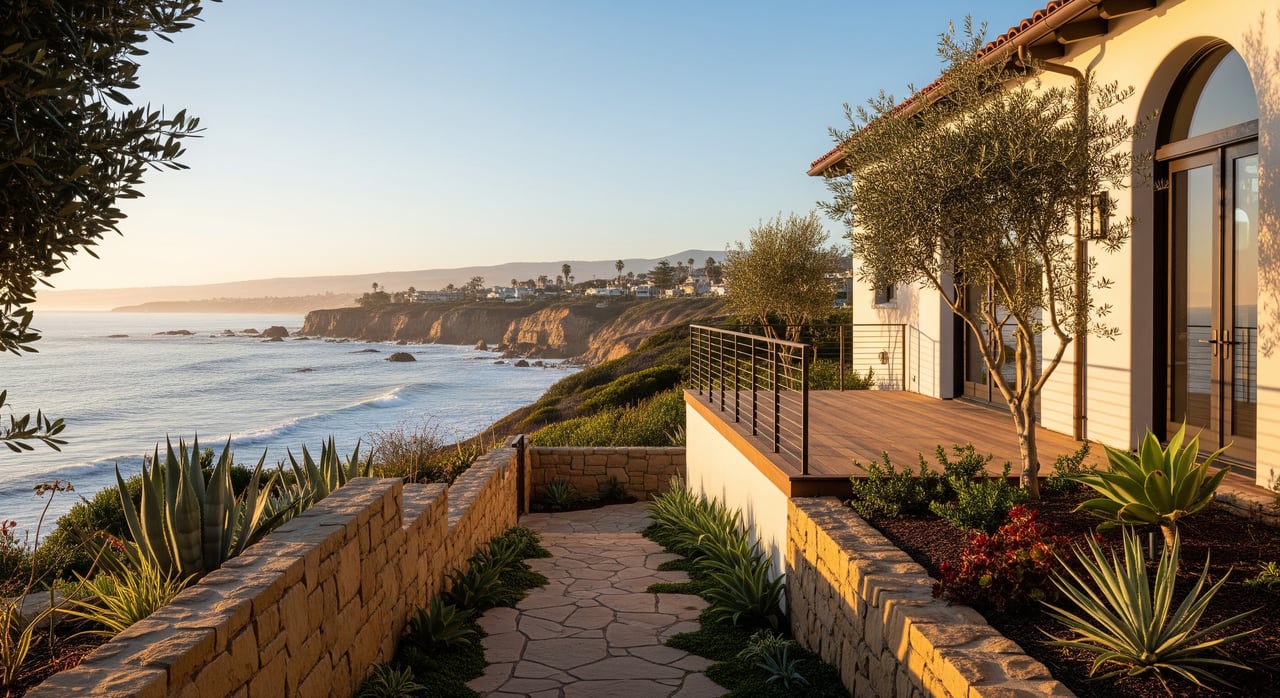
La Jolla’s Coastal Micro-Neighborhoods For Buyers
February 12, 2026
February 12, 2026
Trying to figure out which part of La Jolla fits your lifestyle and budget best? You are not alone. Within just a few square miles, La Jolla offers very different day-to-day experiences based on beach access, topography, architecture, and micro-location. In this guide, you’ll compare the core coastal micro-neighborhoods so you can focus your search with confidence and avoid costly detours. Let’s dive in.
La Jolla is compact, but the differences between streets and slopes can be dramatic. A few blocks can mean the difference between sandy toes every morning and a steep drive home with a sweeping ocean view. Small-scale retail pockets, bluff frontage, and historic housing all contribute to different rhythms of life and pricing.
Value in La Jolla is highly sensitive to micro-location. Homes close to sand or with uninterrupted ocean views often command substantial premiums. The tradeoff is real: walkability and flat lots versus privacy and panoramic views. Knowing which tradeoffs you prefer will save you time and help you act decisively when the right home appears.
The Village centers on the Prospect Street and Girard Avenue corridor, with boutiques, galleries, and restaurants that anchor a lively commercial core. Residential streets nearby hold historic cottages, townhomes, and low-rise condo buildings, some newly renovated or converted.
You sit above small beaches and viewing points, with short walks to the Cove and Children’s Pool. Terrain varies due to bluffs in places, which gives you vistas in exchange for some elevation changes. Parking can be tight at peak times, and the area sees regular visitor activity.
Best if you want a walkable lifestyle with dining, galleries, and everyday errands at your doorstep.
The Cove is an iconic rocky inlet known for snorkeling, tide pools, and marine life viewing. Visitor traffic can be heavy near the Cove and Children’s Pool, which keeps the area lively.
Housing here skews to smaller condo buildings with a limited number of single-family properties. Beach access is immediate, with activities focused on snorkeling and coastal exploration.
Good if you want iconic scenery, quick ocean access, and a lock-and-leave condo footprint.
La Jolla Shores offers a long, sandy beach that draws beachgoers, kayakers, and novice surfers. The area is flat and highly walkable along the shore, with the Scripps Institution of Oceanography and Scripps Pier nearby.
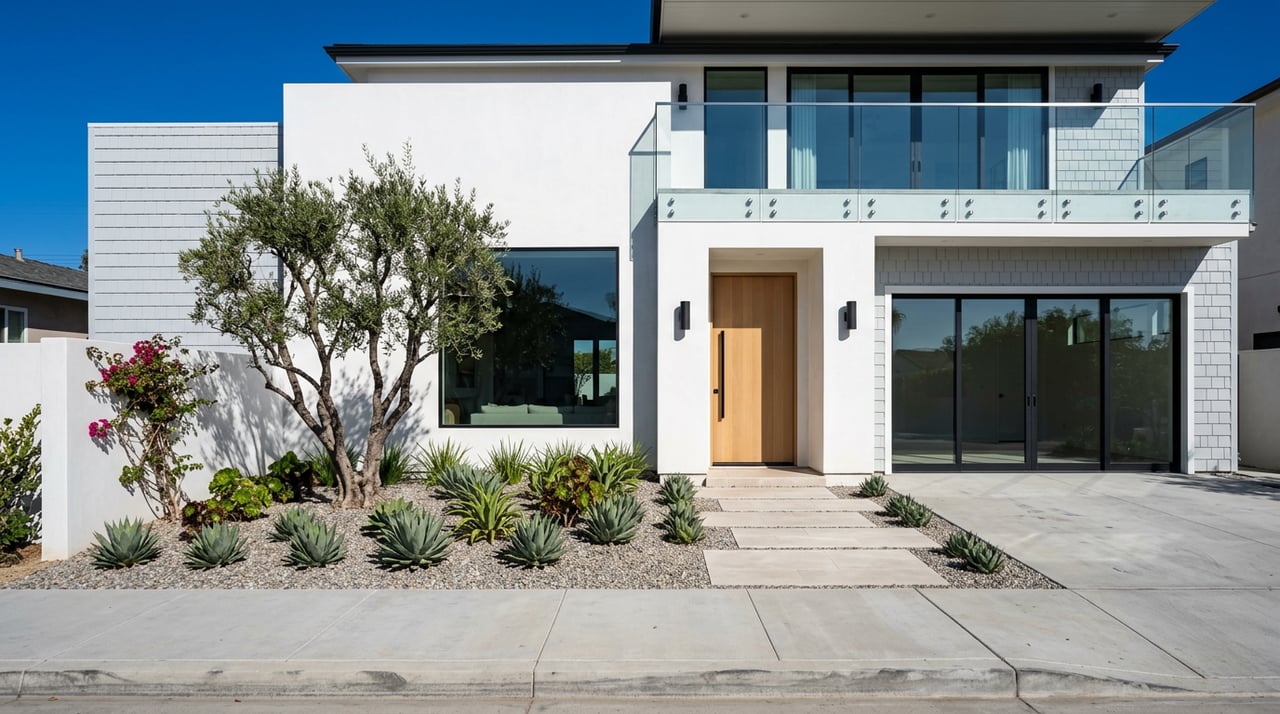
You’ll find beach cottages, contemporary rebuilds, and low-rise condos near the sand. Moving inland, you transition to a low bluff and higher mesa, which offers a bit more elevation and some view opportunities.
Ideal if you value sandy beach access, outdoor recreation, and proximity to UC San Diego and Scripps.
Bird Rock is a linear village along La Jolla Boulevard with local shops, cafes, and a strong surf identity. Compared with the busiest tourist spots, it feels more like a neighborhood main street.
Original bungalows and beach cottages sit alongside modern infill homes, with a mix of single-family and small multi-unit buildings. Shoreline access points lead to tide pools and small sandy pockets, and the Bird Rock surf break is a local feature.
A fit if you want a neighborhood feel, easy access to everyday retail, and a surf-forward lifestyle.
Windansea is one of La Jolla’s most storied surf spots, home to the stone-and-palm “hut” and architecturally notable cottages. The shoreline here is rocky with reef breaks and smaller sandy pockets.
Homes range from preserved mid-century and Spanish bungalows to modern renovations. Proximity to the beach and the area’s surf culture contribute to strong demand.
Great if you want a classic La Jolla beach scene and character architecture.
East and north of the Village, these hillside and plateau neighborhoods prioritize privacy, larger parcels, and panoramic views. The Country Club area surrounds the golf course, Muirlands stretches across ridgelines, and La Jolla Farms offers more private settings toward Torrey Pines.
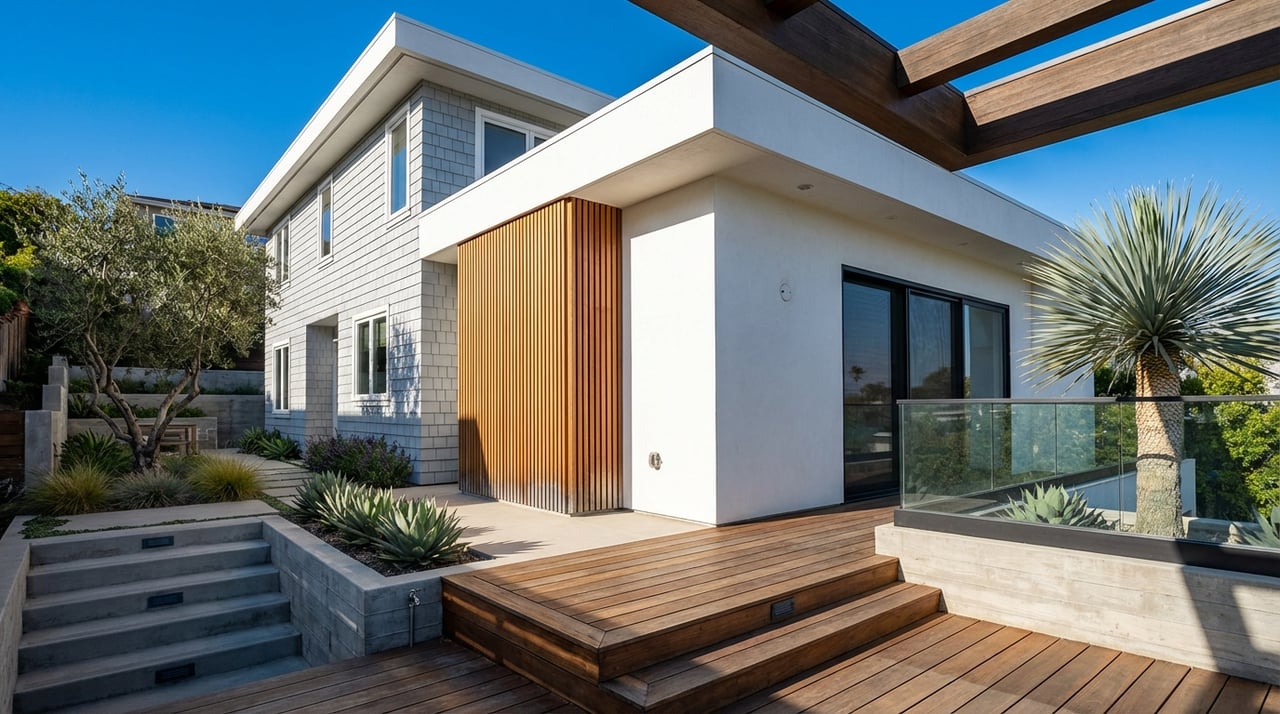
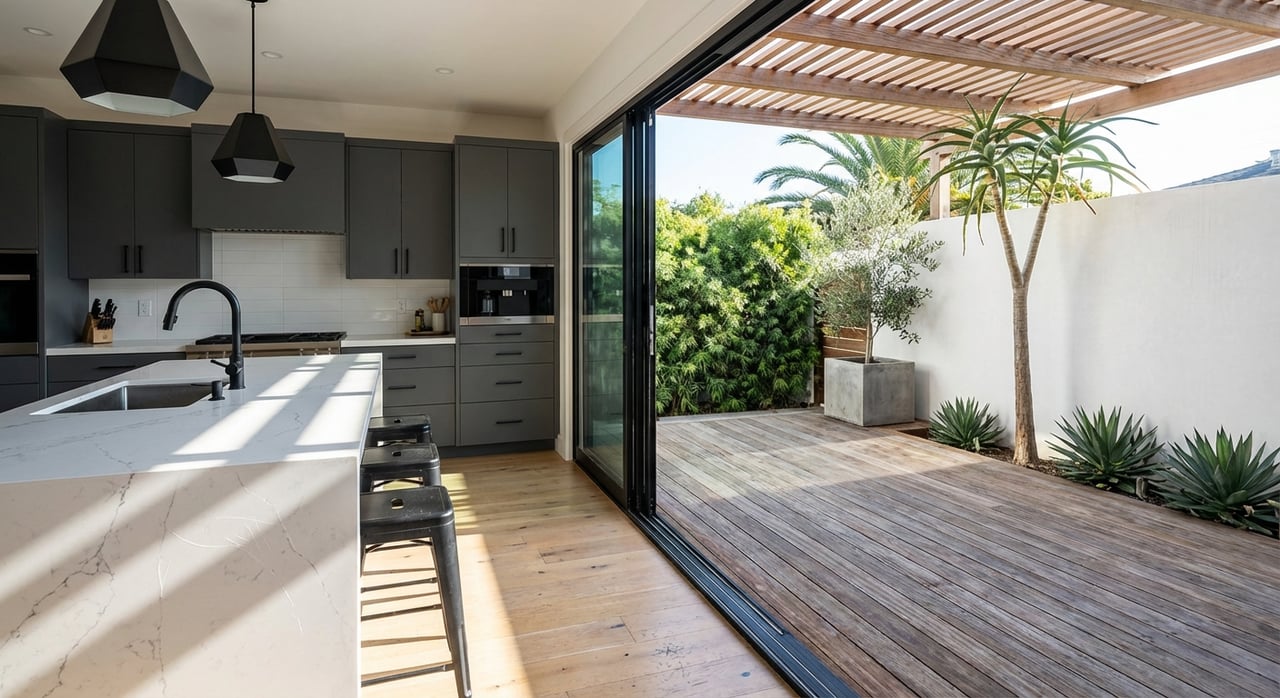
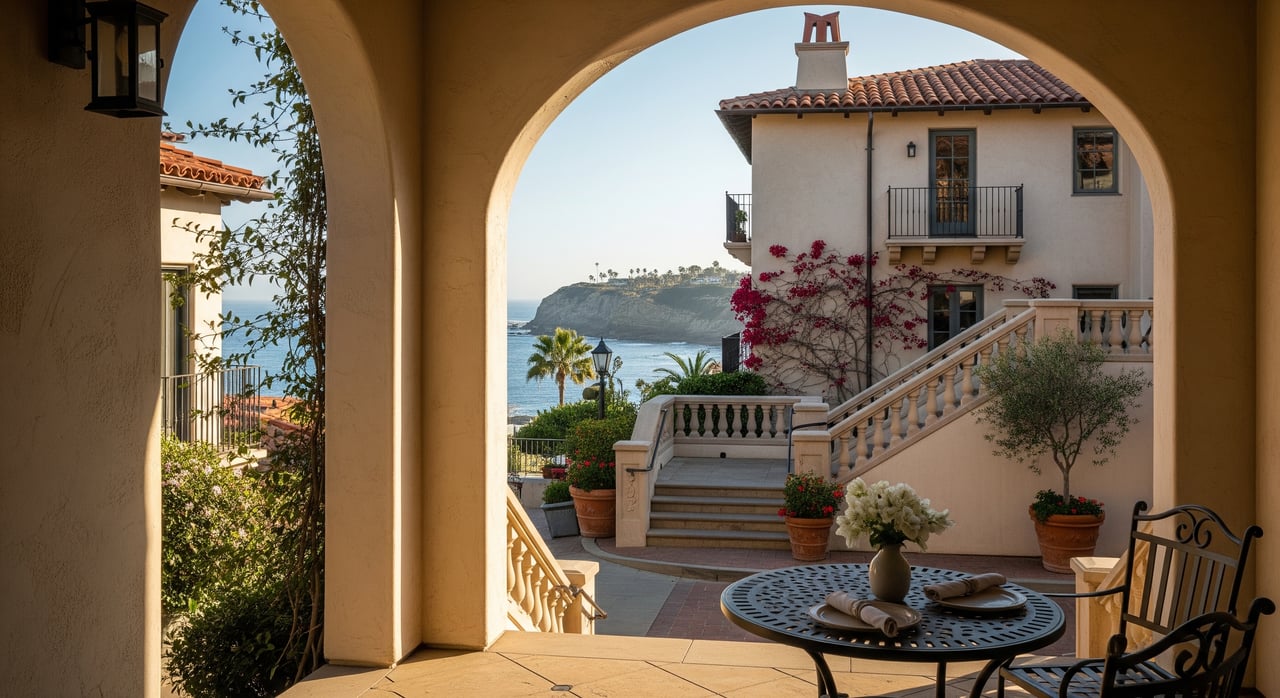
Architecture includes custom estates in Mediterranean and modern styles, many with significant remodels or new construction. Homes are typically auto-oriented with lower walkability, which trades for space and outlooks.
Choose this if you want privacy, larger lots, and sweeping views.
These inland areas offer a more suburban pattern with ranch and mid-century homes, often on larger lots. Terrain is flatter, and you remain a short drive from beaches and the Village.
Buyers often look here for more interior square footage and yard space at a relative discount to oceanfront pockets, while still benefiting from La Jolla amenities.
Consider this if you want more space and value while staying close to the coast.
Walkability
Housing types
Architecture and renovation
Parking and visitor flow
Schools and proximity
Micro-location drives pricing and liquidity. Oceanfront and blufffront homes, as well as properties with uninterrupted views, tend to command large premiums and can perform differently than homes needing structural work. Expect wide list-to-sale spreads tied to condition, outlook, and exact block.
Short-term rentals are regulated. Rules are set at the City of San Diego level. If rental income is part of your plan, confirm city registration, transient occupancy tax obligations, and any HOA or condominium restrictions before you buy.
Coastal and geologic considerations matter. Bluff erosion, stability, and coastal development setbacks are active issues in La Jolla. Bluff-top or bluff-adjacent properties may require geotechnical reports and face stricter permitting. Low-lying frontage near the Cove and Shores can be more exposed to storm surge and sea level rise scenarios.
Insurance and ownership costs can be higher near the ocean. Premiums, specialized coverage, and maintenance such as seawalls, retaining structures, or salt-air corrosion should be part of your underwriting. Closing timelines may be longer when specialized inspections and permits are involved.
HOAs and CC&Rs shape livability. Many Village and Shores condos have HOA dues and rules that affect renovations, rentals, and parking. Review documents early during due diligence.
Use this quick framework to narrow your search and protect your investment.
Lifestyle decisions
Due diligence basics
Agent prompts that save time
Timeline planning
When you are ready to refine your search or pressure-test a remodel idea, connect with a local advisor who blends construction know-how with neighborhood insight. If you want straight answers on build potential, permitting, or true cost of ownership, reach out to Matt Kidd for a focused strategy.
Stay up to date on the latest real estate trends.