Outdoor Living Upgrades Solana Beach Buyers Love
December 4, 2025
December 4, 2025
What if your backyard felt like an extra living room you could use almost every day? In Solana Beach, that is more than a dream. With a mild coastal climate and a lifestyle built around the ocean, buyers here look closely at outdoor spaces and how they live. In this guide, you will learn which upgrades stand out, which materials last near salt air, what permits to confirm, and how to weigh costs against long-term value. Let’s dive in.
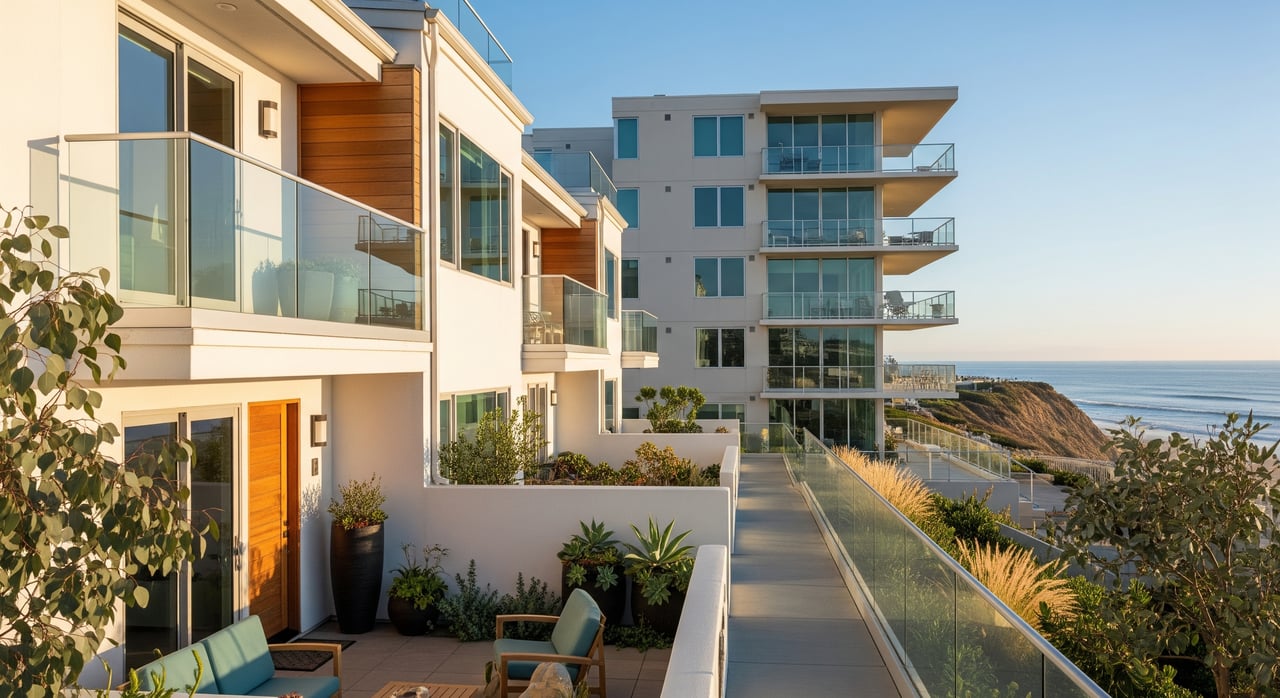
Solana Beach enjoys a Mediterranean climate with mild temperatures and limited rainfall. That means patios, decks, and courtyards can function year-round with the right shade, heating, and lighting. Buyers often treat these areas as an extension of the interior rather than a decorative yard.
Lifestyle drives demand. Beach access, walking, biking, and entertaining are part of daily life. Upgrades that make outdoor areas comfortable, flexible, and low maintenance rise to the top for a wide range of buyers, from families to downsizers, second-home owners, and remote professionals.
Coastal realities also shape decisions. Salt air accelerates corrosion, and flood or bluff considerations may apply near the water. Materials and design should account for durability, safety, and local permitting.
Shade and light rain protection unlock year-round use. Permanent covers, adjustable louvers, or retractable fabric systems provide flexibility for sunny days and misty mornings. Add comfortable seating and dining to signal a true outdoor living room.
Buyers respond to spaces that feel finished and practical. Details like integrated planters, built-in benches, and weather-resistant ceiling fans add comfort while keeping maintenance in check.
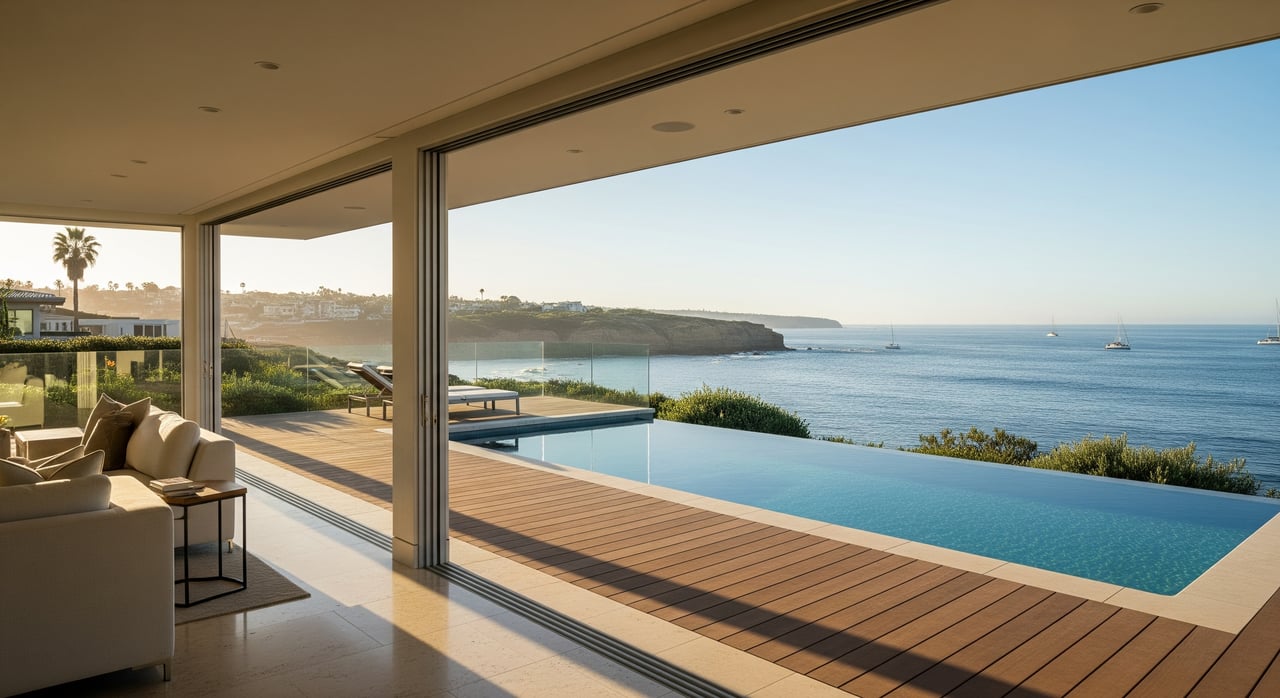
Composite or PVC decking is a smart choice by the coast. It resists staining, sanding, and rapid wear that untreated wood can suffer in salty air. For a higher-end natural look, rot-resistant hardwoods can work when properly sealed and maintained.
Thoughtful layouts that link interior rooms to decks boost flow and livability. Keep steps, transitions, and lighting safe and simple to navigate.
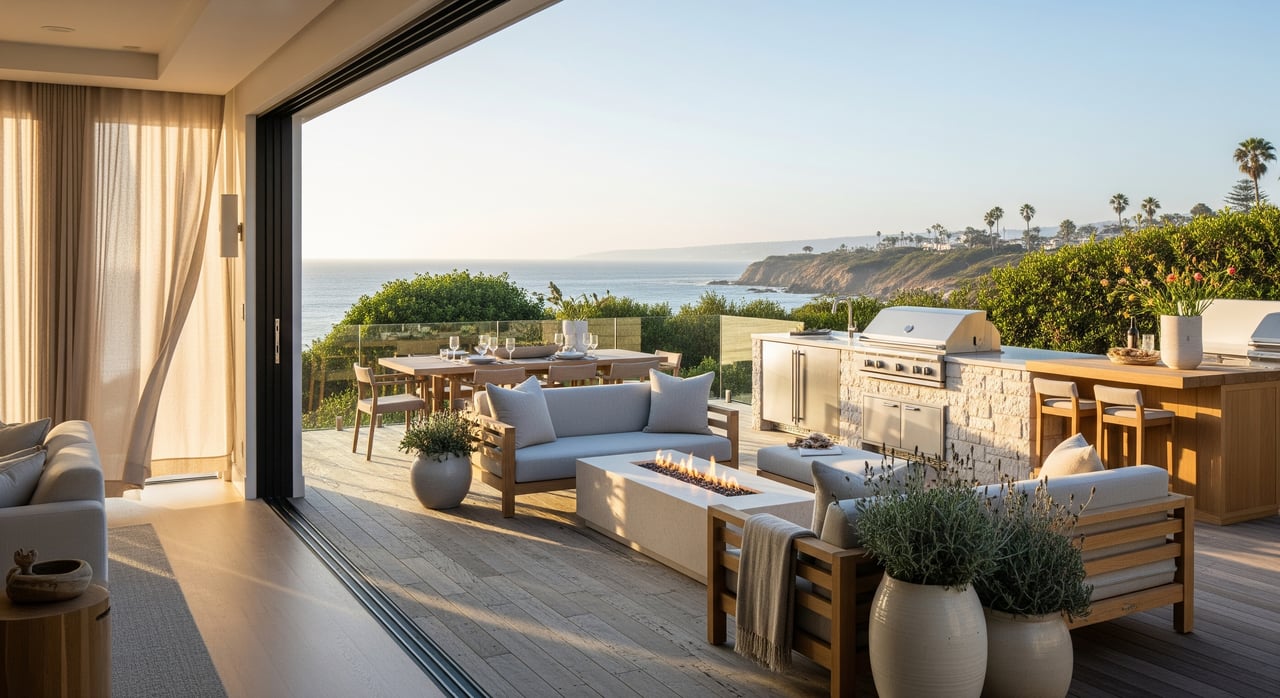
An outdoor kitchen can set a listing apart when it is durable and well planned. Buyers favor stainless grills, ample countertop prep space, a sink with hot and cold water, weather-resistant cabinets, and refrigerated drawers. Gas, electrical, and plumbing lines add function but also increase permitting needs.
Right-size the scope to the property. A compact island with storage and task lighting can feel more usable than an oversized build that eats up deck space.
Evenings cool along the coast, so heat extends your usable hours. Gas fire pits or fireplaces provide ambiance and are easier to manage than wood in many air quality conditions. Electric or gas patio heaters can fill gaps on chilly nights.
Layered lighting matters for both safety and atmosphere. Combine path, task, and accent lighting to guide movement, illuminate cooking, and enhance landscaping.
Low-water, drought-tolerant, and native plantings frame views and reduce irrigation needs. Many buyers appreciate landscapes that support local ecology and cut maintenance. Use hedging, privacy screens, or subtle level changes to create private outdoor rooms.
Drainage should be part of the plan. Coastal fog and occasional rains call for grading and materials that dry quickly and keep walkways safe.
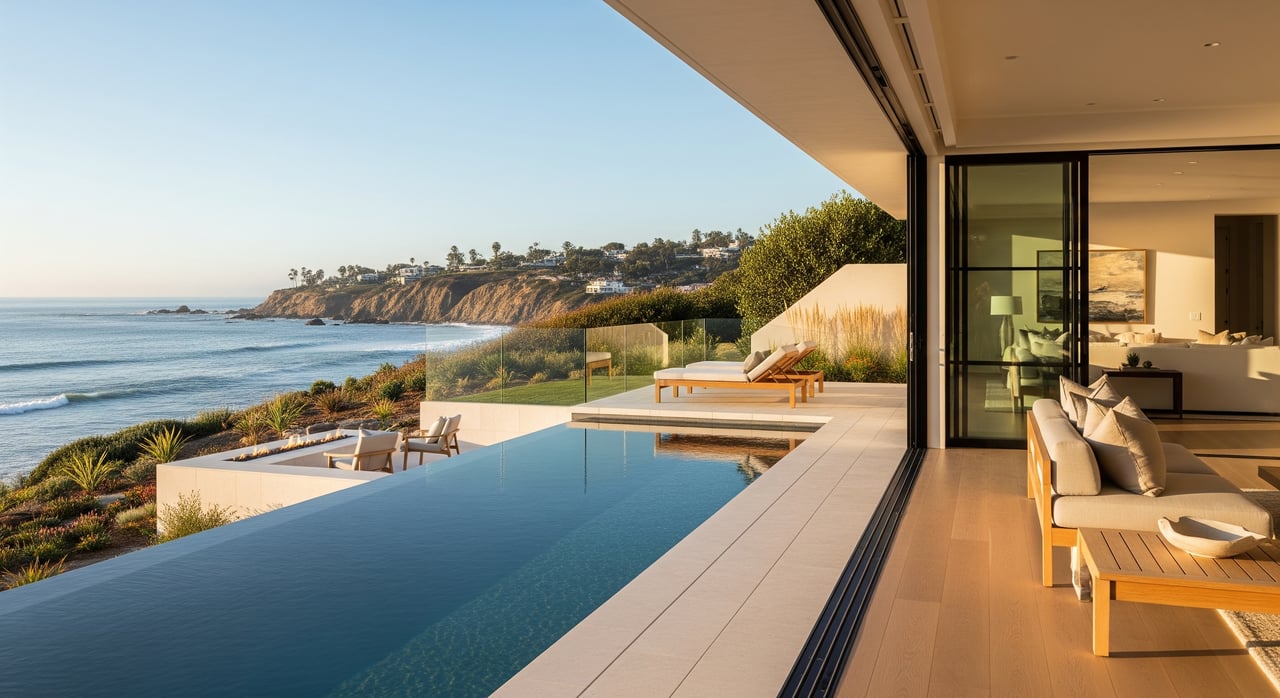
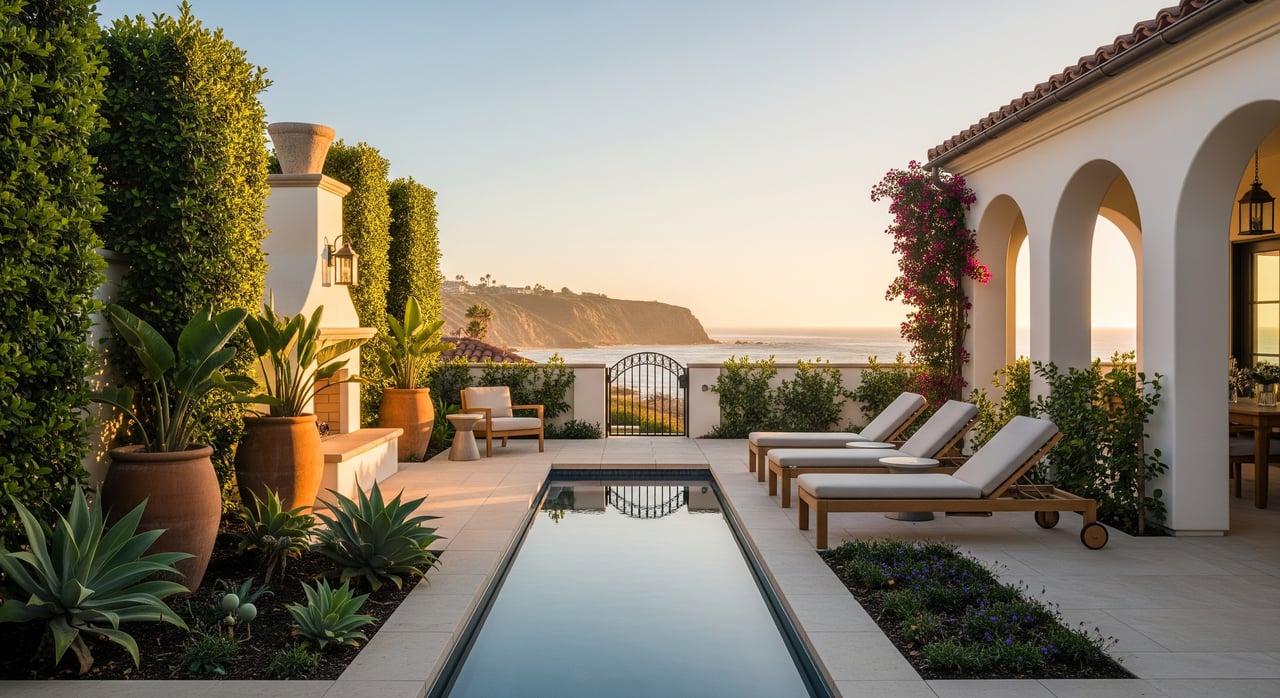
Pools and spas remain desirable at the higher end, but they add maintenance, safety, and insurance considerations. In compact yards, a plunge pool or upgraded spa can deliver lifestyle value with less upkeep. Small fountains or reflecting water features offer soothing sound without the footprint of a full pool.
When selling, it helps to be transparent about service schedules and operating costs. Clear records reassure buyers.
Beach living rewards practical touches. Outdoor rinse showers, surfboard and bike storage, and easy-clean flooring at entry points help keep sand and salt in check. Storage benches near doors simplify gear drops and keep spaces tidy.
These details feel tailored to Solana Beach life and often catch a buyer’s eye during showings and in listing photos.
Weatherproof cabinets for cushions, lockable racks for boards and bikes, and discrete bins for hoses make outdoor areas cleaner and more flexible. If allowed, a covered drying area for towels and wetsuits is a small upgrade with big daily impact.
Keeping clutter out of sight allows the architecture and views to shine.
Salt air is tough on metal. Use corrosion-resistant choices like marine-grade 316 stainless steel for fasteners and outdoor appliances. Powder-coated aluminum performs well for frames and railings.
Standard 304 stainless corrodes faster by the ocean, so material specs matter. Upfront choices reduce future replacement cycles and keep surfaces looking sharp.
Composite or PVC decking offers low maintenance and consistent performance. For hardscape, porcelain pavers, natural stone, or sealed concrete handle moisture well and clean easily. Porcelain’s low water absorption helps it resist staining and cracking.
Use slip-resistant finishes in areas that see water, like showers and hose-down zones.
Solution-dyed acrylic fabrics are made for sun and moisture. They resist fading and mildew better than untreated textiles. Choose marine-grade sealants and plan for periodic re-coating of exposed wood or metal.
Design to limit salt buildup. Overhangs, windbreaks, and strategic plantings can help shield vulnerable materials.
Even the best materials need care. Salt shortens the life of exposed hardware and appliances, so budget for inspections and tune-ups. Irrigation needs change with coastal fog, so adjust controllers seasonally to avoid overwatering.
Pools and spas require ongoing chemical and mechanical maintenance. Saltwater systems have different equipment needs and corrosion profiles; confirm service protocols before you buy or upgrade.
Before starting work, confirm local building permits for decks, pergolas with electrical, additions, and pools. Separate electrical, gas, and plumbing permits are typical for outdoor kitchens and utility upgrades. Projects that touch coastal landforms or bluff areas often require additional review by city planning staff and coastal authorities.
If your property is in a neighborhood or condo community, check HOA rules for exterior design controls. Some landscaping or grading changes may also need environmental review.
On bluff-top lots, ask for geotechnical reports and any history of erosion mitigation. In coastal areas, check flood zones, elevation data, and tsunami evacuation information. These factors can influence both insurance and future improvements.
A qualified local professional can help you understand what is routine versus what deserves deeper investigation.
Costs vary by scope, access, and engineering. Simpler projects like paver patios, modest landscaping, and lighting upgrades tend to sit on the lower end. Covered patios with finished ceilings, built-in BBQ islands, and composite decking sit mid-range.
Custom outdoor kitchens with full appliances, pools or spas, large hardscape regrading, or bluff-related engineering drive costs higher. Coastal permitting and utility trenching can add time and expense, so build contingencies into your budget.
Many local water agencies offer rebates for turf removal and smart irrigation controllers. Graywater or rainwater systems may be allowed in certain cases and can reduce irrigation demand when designed to code. Wood-burning fire features can be restricted during poor air quality days, while gas options are typically easier to manage and keep clean.
Check local rules early to avoid redesigns late in the process.
Prioritize upgrades with broad appeal and low upkeep:
Be thoughtful about larger investments. Outdoor kitchens and pools can elevate a property, but they add maintenance and permitting complexity. Right-size for the neighborhood and buyer profile.
Staging matters. Clean lines, comfortable furniture, organized storage, and clear paths to the beach or side gates make spaces feel livable and photo-ready.
These steps help you understand true operating costs and what you can change after closing.
When you tailor outdoor spaces for year-round comfort, low maintenance, and the beach lifestyle, you speak directly to what Solana Beach buyers value. The right materials reduce long-term upkeep. The right permits keep projects smooth. The right scale keeps your buyer pool broad.
If you want a seasoned, construction-savvy perspective on what to build, buy, or refresh, connect with Matt Kidd. Get a coastal plan, realistic budgets, and polished marketing when you are ready to sell, or Request a Free Home Valuation.
Stay up to date on the latest real estate trends.