Imagine parking your car on Friday and not touching it until Monday. In Coronado’s Village, that is a normal weekend. You can stroll to coffee, carry home fresh pastries, meet friends for dinner, and catch sunset on the bay or the beach without thinking about a commute. If you are weighing a move, this guide will show you how walkable living works day to day, what homes line the surrounding blocks, and the practical details for parking, transit, and local rules. Let’s dive in.
What walkable Village living feels like
Coronado Village centers on Orange Avenue, a compact, mixed-use main street with boutiques, restaurants, cafes, galleries, and essential services. Sidewalks connect short blocks, storefronts are human-scale, and crosswalks are frequent, which makes walking feel natural and unhurried. Historic buildings and slower traffic reinforce a true village character.
You are also close to the shoreline in both directions. The Ferry Landing on the bay side and Coronado Beach on the ocean side sit within a pleasant walk for many Village residents. Parks, the library, and municipal services add to the convenience, so you can handle errands and leisure on foot most days of the week.
Your 5–10 minute world
When you think about daily life here, picture everything you need clustered within a few blocks.
Everyday errands on foot
- Food and drink: A range of restaurants, cafes, and casual spots lines Orange Avenue. Small-market grocery options and a pharmacy are nearby for staples.
- Services: You can walk to the post office, library branch, bank, salons, and professional services tucked among storefronts.
- Health and wellness: Medical and dental offices are in and around the Village, along with fitness studios and easy beach runs or bayfront walks.
Recreation and downtime
- Bay and beach access: The Ferry Landing offers waterfront paths, seating, and skyline views. Coronado Beach is a straight stroll from the Village for surfing, swimming, or a quiet walk.
- Parks and community: Pocket parks, playgrounds, and the Coronado Community Center support everything from morning yoga to youth programs.
- Schools and routines: Families often appreciate walkable routes to local schools. School assignments and walking routes change, so verify current information with Coronado Unified School District if a walkable school commute is a priority.
Seasonality in the Village
Tourism ebbs and flows with weekends, holidays, and summer. Expect livelier sidewalks and more restaurant demand during peaks. Many residents enjoy the energy and plan errands for off-peak hours, then keep their favorite on-foot routines year-round.
Housing near the Village: what you will find
Walk a block or two off Orange Avenue and the residential pattern shifts to a range of home types.
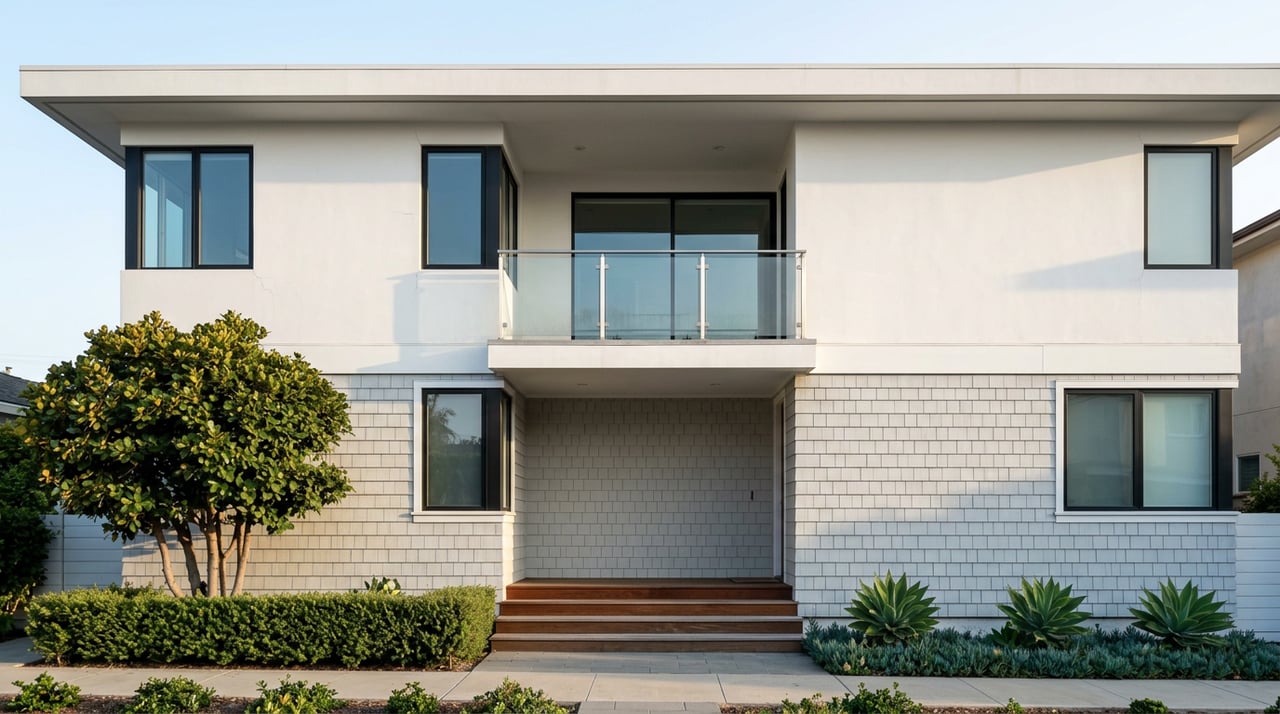
- Condominiums and apartments: You will find condos over or near storefronts, plus low-rise apartment buildings. These suit buyers who want lock-and-leave simplicity.
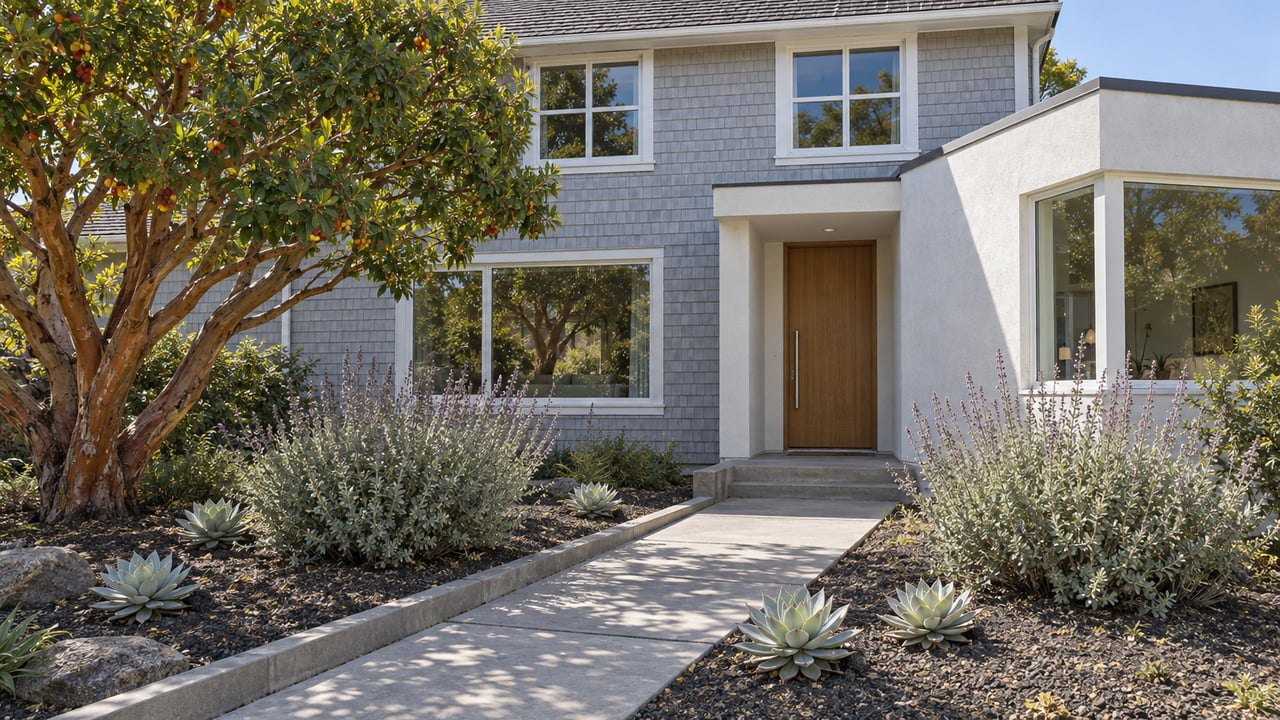
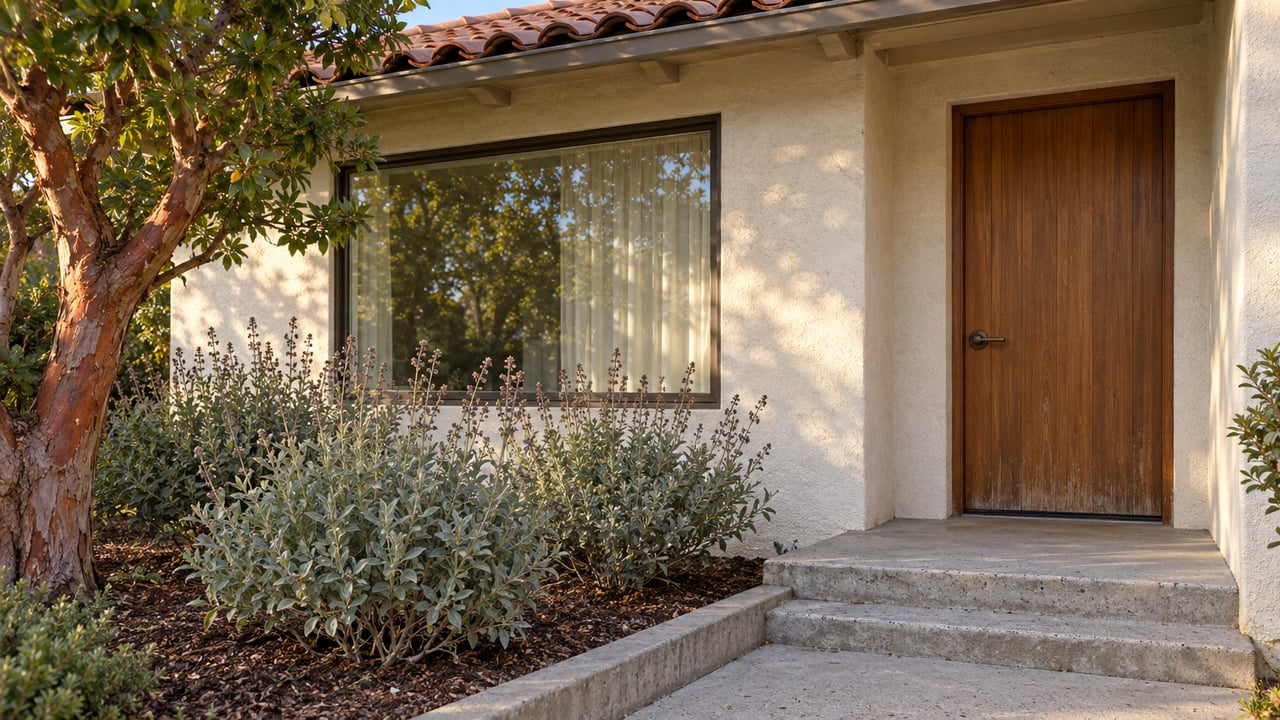
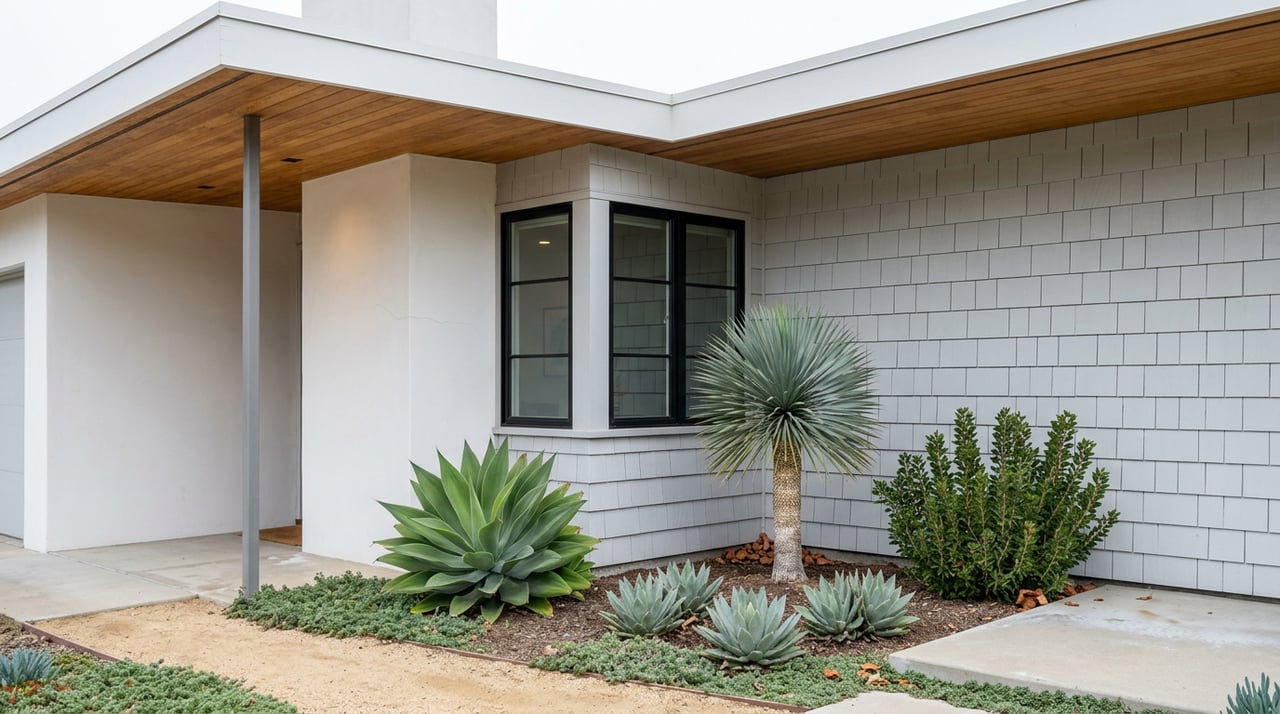
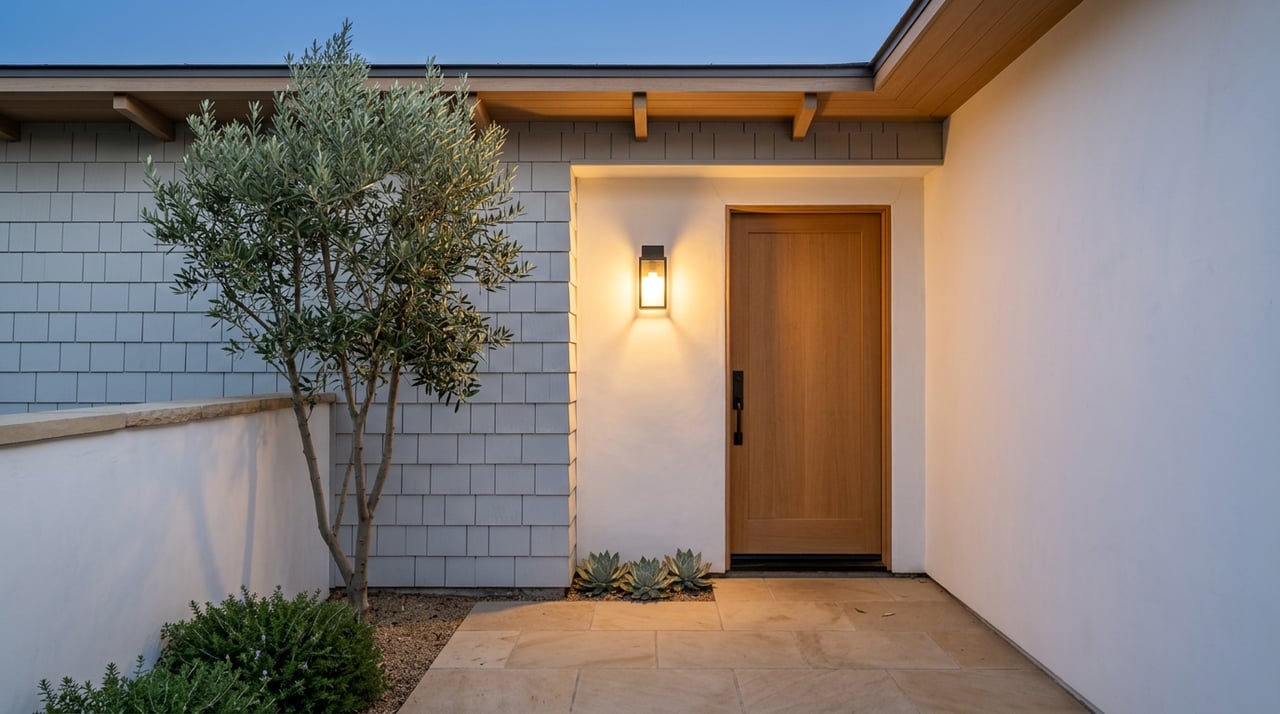
- Bungalow and Craftsman homes: Classic single-family homes on smaller lots appear on the surrounding streets. Many have been sensitively updated, and some are candidates for thoughtfully planned renovations.
- Small multifamily: Duplexes and denser multifamily buildings exist in select pockets near the core, which can appeal to investors or buyers seeking flexibility for extended-stay guests.
Buyers often value walkable cores in desirable coastal communities, and that preference can support resale potential over time. Inventory and pricing vary block to block, and homes closest to the amenities may trade differently than those farther out. If you are considering upgrades, keep in mind that proximity to the shore may influence insurance needs and permitting, and certain properties can fall under historic review.
Getting around: walking, bikes, ferry, and the bridge
A walkable lifestyle in Coronado pairs naturally with other easy modes.
- Bikes and e-bikes: A network of bike-friendly streets and bayside paths makes short rides practical for errands and recreation. Secure storage at your home or building becomes an everyday convenience.
- Ferry service: The Coronado Ferry connects the Village area to downtown San Diego. Schedules and frequency change seasonally, so check the latest timetable before commuting or planning a dinner in the city.
- Local bus: Regional transit routes link Coronado to nearby hubs. If you plan to rely on transit, confirm current stops and frequency for your specific block.
- Driving access: The San Diego–Coronado Bridge is the primary link by car. Commuter patterns tend to concentrate inbound traffic in the morning and outbound in the evening, which can influence your timing when leaving or returning to the Village.
Parking realities and practical tips
Parking shapes daily life in any coastal downtown. In Coronado Village, on-street options, public lots, and residential permits intersect with visitor demand.
- Expect tighter conditions during weekends, holidays, and summer. Many residents schedule errands early, walk for evening dining, and coach guests on the best times to arrive.
- If you host often, weigh a home’s private parking, alley access, and loading options. Deliveries and contractor visits are simpler when a property has workable curb frontage or a garage.
- Metered and timed spaces around the core encourage turnover. Learn your nearest public lot and typical availability so you can plan around peak times.
- For a smoother routine, keep a small foldable cart for grocery runs and consider bike baskets or panniers for heavier items.
Rules and planning that shape Village living
Local plans and codes protect the Village’s walkable character and influence what you can build or rent.
- General Plan and zoning: Mixed-use designations, height limits, and commercial allowances guide development along and near Orange Avenue. If you are evaluating a remodel or a change of use, review the City of Coronado’s General Plan and zoning map for your parcel’s exact rules.
- Historic preservation: Coronado includes significant historic resources, and areas near landmark properties can trigger review. Historic guidelines affect exterior changes, additions, and new construction.
- Short-term rentals: Like many coastal cities, Coronado regulates short-term rentals. Policies evolve, and enforcement levels matter, so verify what is allowed for your property type and block before assuming rental income.
- Public works and streetscapes: Sidewalk, crosswalk, ADA, and lighting improvements can enhance walkability over time. Watch for capital improvement updates and council agendas that cover projects in the Village.
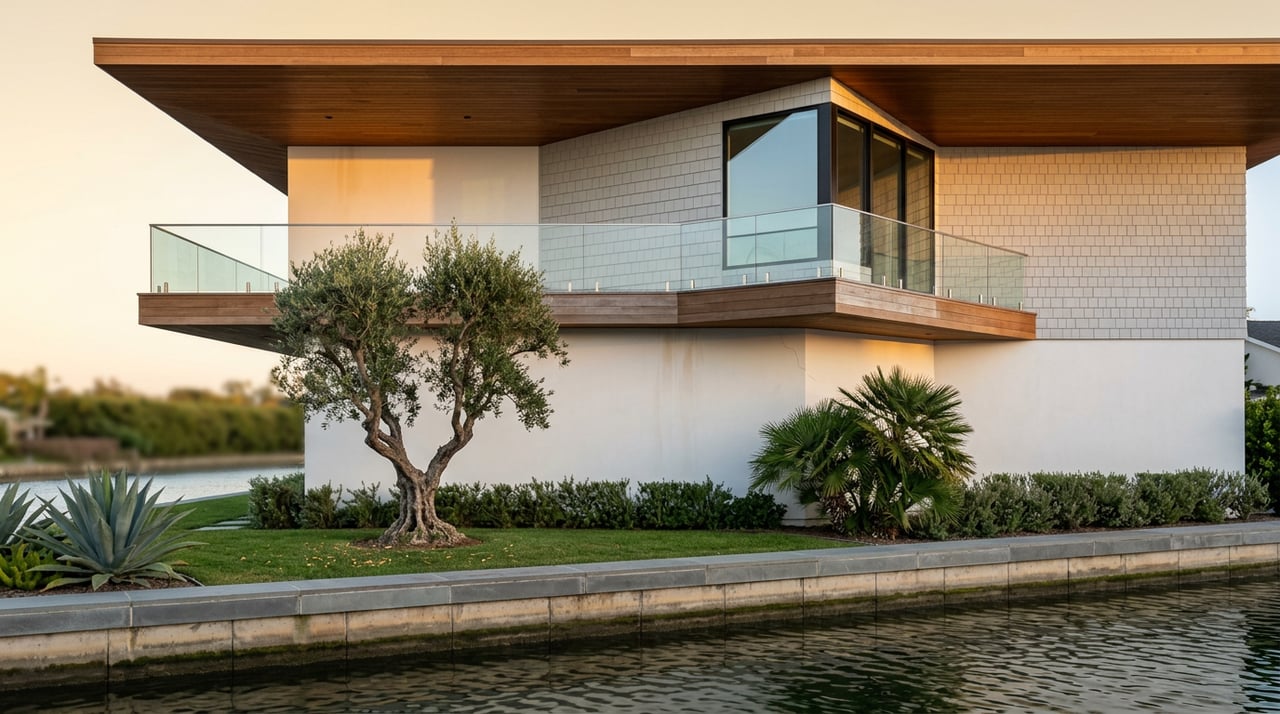
- Coastal considerations: Shoreline proximity can affect flood and wind insurance, as well as building requirements. Consult official county and regional assessments when weighing long-term risk and coverage.
Who loves Village living
The Village attracts people who prioritize access and ease. You will meet families pushing strollers to the park, retirees enjoying mid-morning coffees, professionals who commute by ferry, and military households who value Coronado’s small-town feel with big-city access. Health and wellness tend to come along for the ride, since a quick walk can replace many short car trips.
Safety, hazards, and peace of mind
Walkable neighborhoods work best when you feel comfortable stepping out your door. Coronado’s Village benefits from connected sidewalks, good lighting in key areas, and marked crossings. As with any coastal city, stay aware of flood maps and emergency guidance, and confirm insurance needs for your specific address. For an added sense of security, note the locations of local fire and police services relative to your block and typical walking routes.
Pros and cons checklist
Pros
- Compact, human-scale downtown that makes daily walking easy.
- Dining, shopping, services, parks, and beaches within a short stroll.
- Ferry access to downtown San Diego and bike-friendly routes.
- Distinctive architecture and historic character that support long-term appeal.
Cons
- Seasonal tourism can bring busier sidewalks, noise, and parking pressure.
- On-street parking is limited during peaks, which may affect guests and deliveries.
- Some homes face added insurance needs and permitting complexity near the coast.
- Historic and zoning rules can constrain exterior changes or expansion.
What to verify before you buy or sell
Use this due diligence list to align your lifestyle goals with your property choice.
- Walkability snapshot: Review the current Walk Score or local mobility analysis for your specific address.
- Transit options: Check the latest ferry timetable and bus routes serving the Village.
- Parking plan: Confirm on-site spaces, alley access, and the nearest public lot. Review any residential permit programs.
- Property rules: Verify zoning, any historic status or review triggers, and coastal development considerations for your parcel.
- Insurance: Discuss flood and wind coverage with your carrier based on official hazard maps.
- Short-term rental policy: Confirm current eligibility and requirements for your home type and location.
- Schools: If a walkable school routine matters, confirm current school assignments and recommended walking routes with the district.
- Market context: Compare recent Village-area comps for your property type and plan improvements with ROI in mind.
Ready to explore the Village?
If a car-light coastal lifestyle fits your goals, Coronado’s Village delivers daily convenience with classic charm. Whether you are buying, selling, or weighing a renovation, you deserve advice that blends construction insight with neighborhood know-how. For a tailored plan that matches your lifestyle and investment goals, connect with Matt Kidd.
FAQs
Is Coronado Village truly walkable year-round?
- Yes, the compact layout and connected sidewalks make daily errands and recreation walkable most of the year, with busier conditions during holidays and summer.
Which amenities are within a short walk of Orange Avenue?
- Restaurants, cafes, boutique retail, small-market grocery options, a pharmacy, the library, post office, and parks are typically within a comfortable stroll.
What housing types are common near the Village core?
- You will find condos over or near storefronts, low-rise apartments, bungalow and Craftsman single-family homes, and select small multifamily buildings.
How does parking work if I live close to Orange Avenue?
- Expect tighter street parking during peaks, with metered or timed spaces near the core; many residents rely on nearby public lots, permits where applicable, and guest planning.
Are short-term rentals allowed in the Village area?
- Coronado regulates short-term rentals; rules and enforcement evolve, so verify current eligibility and requirements for your address and housing type.
How do coastal risks affect ownership in Coronado?
- Shoreline proximity can influence flood and wind insurance and permitting; review official hazard maps and discuss coverage with your insurer before finalizing a purchase.