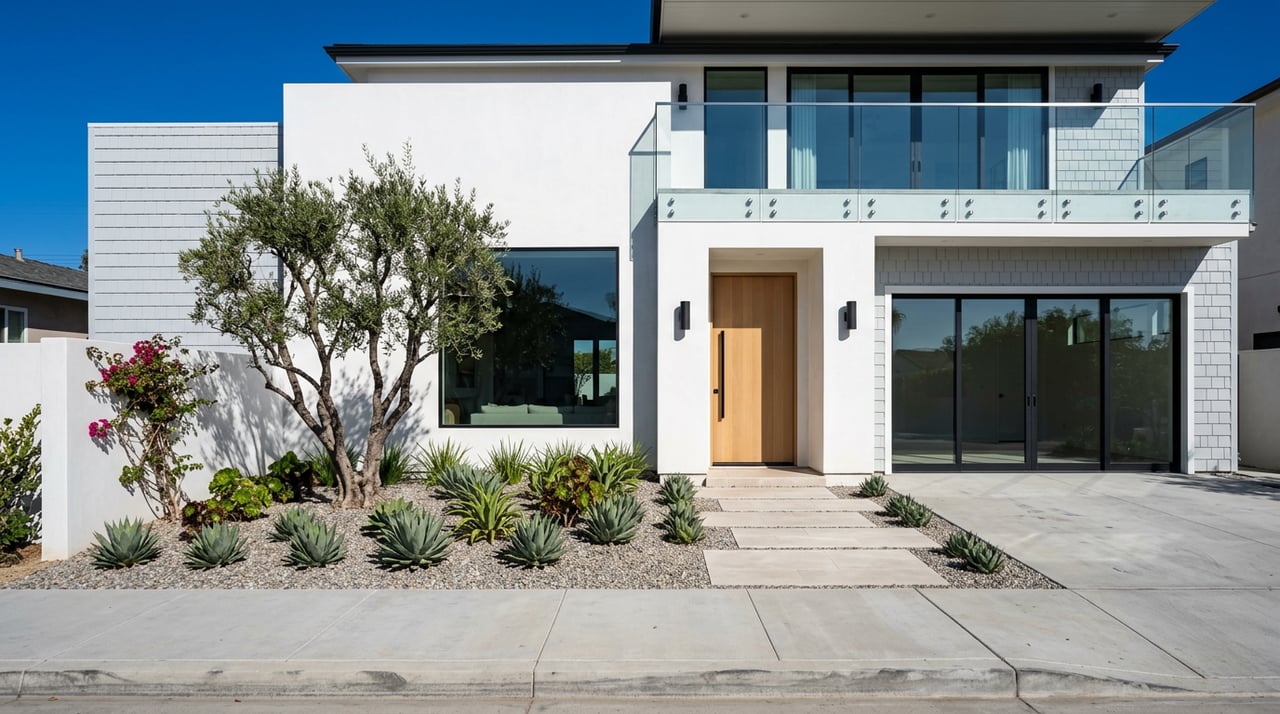
Preparing Your Del Mar Home For Coastal Luxury Buyers
March 5, 2026
March 5, 2026
Salt air, ocean light, and a multi‑million‑dollar buyer pool make selling in Del Mar different. If you are preparing to list, you know high‑end coastal buyers expect turnkey quality, clean disclosures, and outdoor spaces that live as beautifully as the interiors. This guide gives you a tactical plan to get market‑ready with fewer surprises and stronger offers.
You will learn what luxury buyers scrutinize, which inspections to order, the materials that stand up to salt air, and how to time and market your launch around Del Mar’s rhythms. Let’s dive in.
Del Mar’s market sits in the multi‑million range, with recent listing medians often reported around 4.7 to 5.0 million dollars. That buyer pool includes local high‑net‑worth residents, San Diego executives, second‑home shoppers, and some out‑of‑state or international purchasers. Publicized record sales in San Diego County show that demand at the very top end still exists for the right property and story. A recent report highlighted a county record sale.
Top priorities you should plan around:
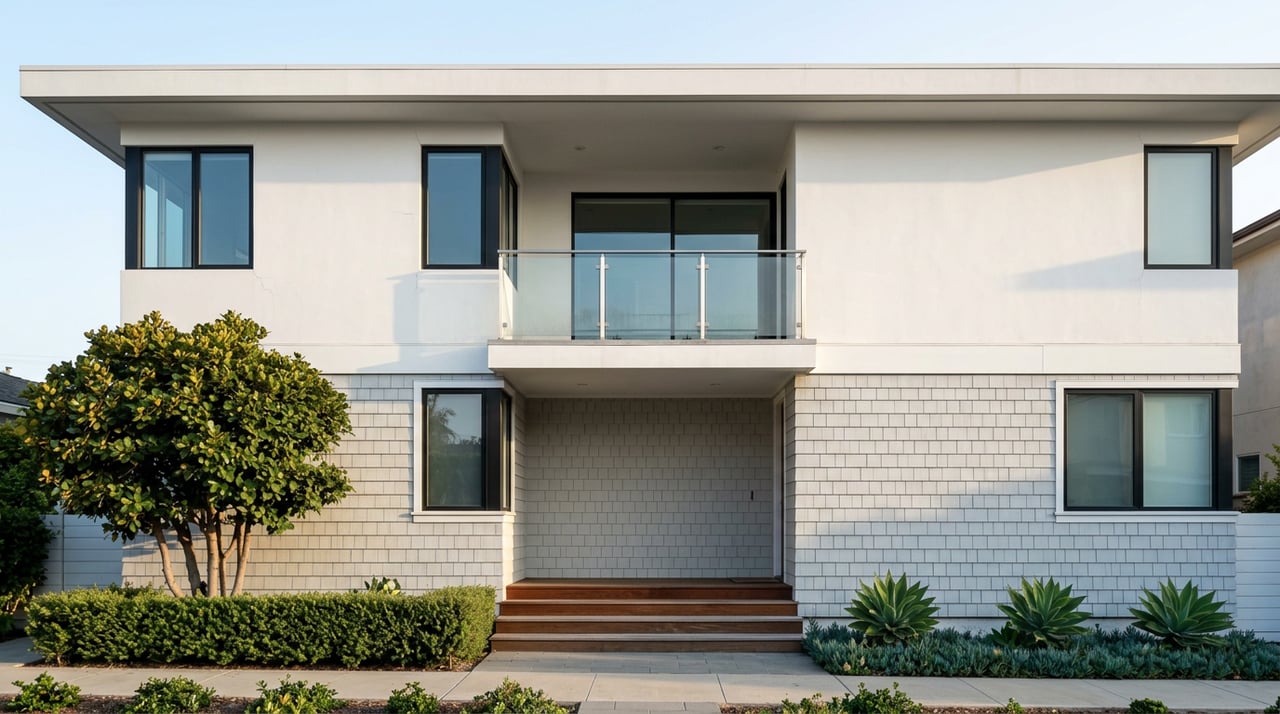
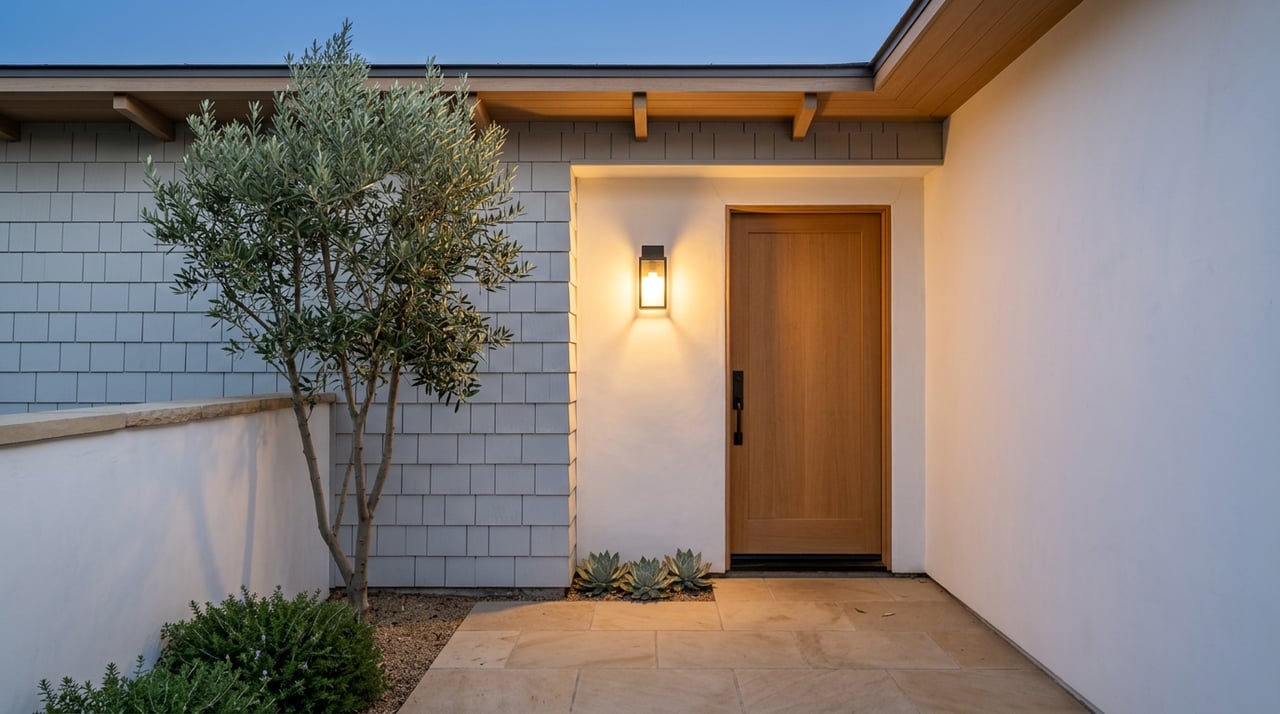
First impressions set your price story. Focus on the gate and drive, landscaping, garage, and front entry. Quick wins include a professional power wash, paint touchups at the entry and garage, refreshed house numbers and entry lighting, and tidied planting with fresh mulch.
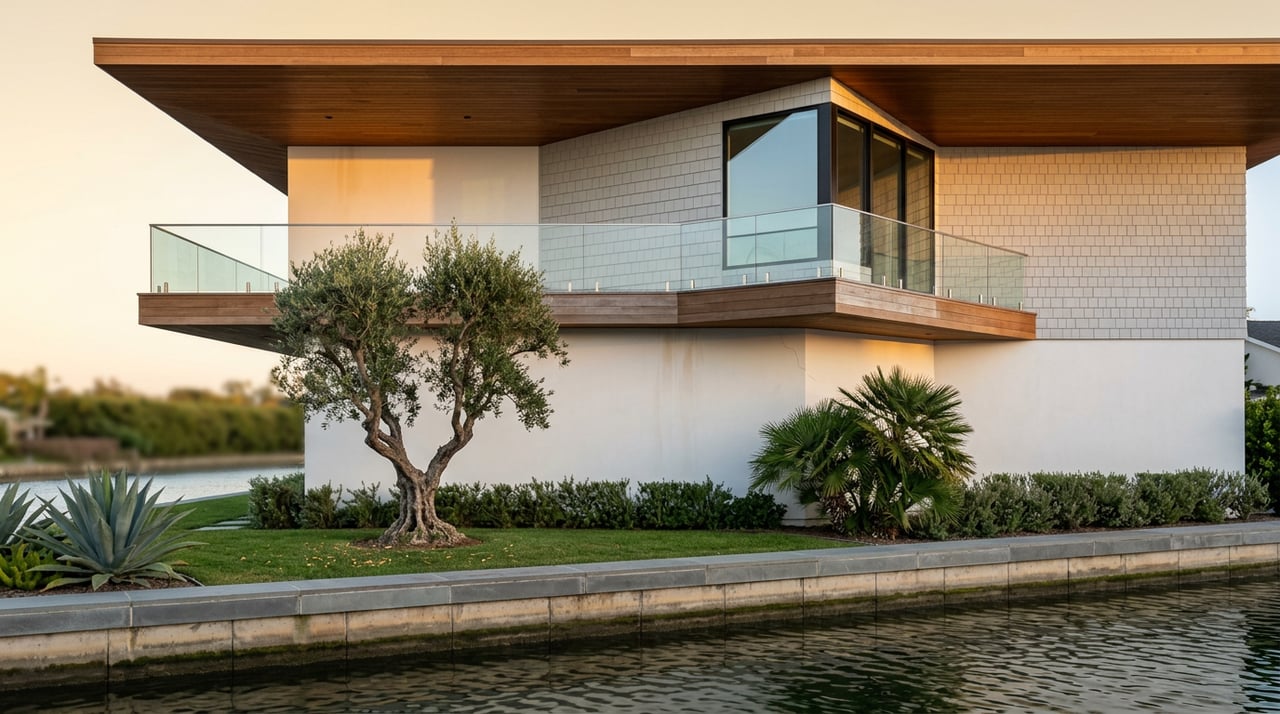
Well‑designed outdoor zones often decide the deal. Define a cooking station, a covered lounge, and a dining area, then layer in soft lighting. Choose salt‑tolerant, waterwise plants and windbreaks to protect views and reduce visible salt damage. Use guidance like this coastal plant and salt management resource for Southern California to build a resilient palette.
Luxury buyers check for crystal‑clear glazing, failed seals, sticky sliders, and corroded hardware. Service all operable units and replace worn rollers, weatherstripping, and locks. For exposed areas, use coastal‑rated frames and coatings with marine‑grade hardware. Many pros recommend fiberglass or properly coated aluminum with high‑performance coastal finishes and hardware. When replacing fasteners or visible metal, upgrade to 316 stainless steel for better salt resistance.
Salt spray accelerates corrosion on railings, fixtures, door and window hardware, and deck connectors. Visible rust reads like deferred maintenance and often invites repair credits. Remove and replace corroded parts, spot‑treat, and repaint ocean‑facing trim so buyers see care, not concessions.
For bluff‑top or shoreline‑adjacent homes, buyers expect clear documentation. Del Mar has a formal sea‑level rise and coastal resiliency program. Review the city’s materials and be prepared to share any geotechnical, bluff, or seawall reports that apply. Start here: City of Del Mar sea‑level rise resources.
Confirm your flood zone early and understand insurance implications. FEMA and local maps have been updated to better reflect coastal wave action. Check the city’s guidance on the latest FEMA flood maps for Del Mar.
Pre‑listing inspections help you fix what matters, disclose what you must, and reduce renegotiations. Industry guidance recommends seller‑ordered inspections to increase buyer confidence and reduce surprises during escrow. See a summary of practices from the American Society of Home Inspectors on pre‑listing inspection strategy.
California requires a Transfer Disclosure Statement and a Natural Hazard Disclosure, among other forms. Complete these in good faith and assemble permit histories and maintenance records before launch. Review a clear overview of seller obligations in this California disclosure guide.
Recommended seller packet:
Provide a one‑page maintenance summary with your disclosures to reduce perceived risk.
For coastal luxury, invest in high‑resolution interiors, at least one twilight exterior, aerial or drone shots showing the lot and view corridors, and a floor plan with a 3D walk‑through for remote buyers. Professional photography and staging consistently increase engagement and can shorten market time.
Aim for late spring if your schedule allows. Many analyses show Thursday launches capture early weekend momentum. Tailor the timing to current local MLS activity and your readiness.
Prioritize private, appointment‑only showings and a broker preview. Schedule some late‑afternoon or twilight tours so buyers experience sunset views and outdoor lighting. Check the Del Mar racing season calendar and other Fairgrounds events to avoid congested windows or to plan accordingly. If using drone media, hire an FAA Part‑107 certified operator and confirm local restrictions.
If you want a builder‑level eye on what to fix and a polished plan to market your coastal lifestyle, let’s talk. Request a Free Home Valuation and a customized prep roadmap from Matt Kidd.
Stay up to date on the latest real estate trends.


Get assistance in determining current property value, crafting a competitive offer, writing and negotiating a contract, and much more. Contact Matt today to discuss all your real estate needs!