Planning A Coastal Remodel In Solana Beach: Key Steps
March 24, 2026
March 24, 2026
Thinking about opening up your ocean view, adding an ADU, or upgrading finishes in Solana Beach? Coastal remodels can transform daily living and protect long-term value, but the rules here are different. You navigate the California Coastal Zone, bluff constraints, corrosion, and a two-track permit path that often involves the City and the California Coastal Commission. This guide gives you clear next steps, key approvals, smart material choices, and a homeowner-friendly roadmap to move from idea to permit to punch list. Let’s dive in.
Solana Beach sits entirely within the California Coastal Zone, which means many projects require extra coastal review. The City also requires applicants to provide a Coastal Commission approval letter before certain building permits are issued. You can confirm these requirements on the City’s Building Services page, which outlines coastal coordination and permit intake steps. Review the City guidance on the Building Services page.
The Coastal Commission often retains permit authority here because portions of the local implementation rules are not fully certified. In practice, that means Chapter 3 of the Coastal Act can be the legal standard for your permit review, and Commission staff may be part of your entitlement timeline. You can see this context reflected in recent Coastal Commission reports for Solana Beach.
Start by determining whether your project is ministerial or discretionary. In Solana Beach, new construction that exceeds 16 feet in height from pre-existing grade must secure a Structure Development Permit and complete a View Assessment before the building permit. Discretionary items can require Planning Commission or City Council action. See the City’s overview of planning permits and processes.
Because the entire city is in the Coastal Zone, many additions, significant exterior changes, and bluff-area work can trigger a Coastal Development Permit or a related coastal action. The City’s intake requires the Coastal Commission approval letter for many projects before it will issue building permits, especially for bluff properties. You can verify this requirement on the Building Services page.
City planning reviews generally move in 30-day cycles for each submittal and resubmittal. If your scope needs a public hearing, add scheduling time. Coastal Commission action can extend timelines by several weeks to months depending on complexity. Expect longer windows if your project affects bluffs, view corridors, or shoreline resources. See the City’s note on review cycles in its planning permits guide and the Commission’s variable schedule in recent Commission documentation.
If your home is on or near a bluff, plan for geotechnical and geologic reporting early. The City’s Local Coastal Program policies require site-specific studies, slope analysis, and a Geologic Setback Line that accounts for a defined planning life. These findings shape setback, foundation type, and sometimes the permitted building area. Review Chapter 3 of the City’s LUP for bluff development expectations in the Shoreline Management policies.
Check flood exposure as part of your scope and budget. Regulatory flood zones and base flood elevations in San Diego County are documented in the county’s Flood Insurance Study panels. Use FEMA’s Map Service Center for your address and review the county’s published Flood Insurance Study reference.
Solana Beach recognizes sea level rise in its climate planning and encourages the use of regional tools for project-level mapping. This context matters for bluff setbacks and drainage decisions. You can see the policy direction in the City’s Climate Action Plan.
Select an architect or design-build lead with coastal experience, a structural engineer, and for bluff or hillside sites, both a licensed geotechnical engineer and an engineering geologist. Bring a general contractor into early budgeting once the concept is defined. The City requires licensed contractors and a City business certificate before permit issuance. Always verify state licensing with the Contractors State License Board before you sign.
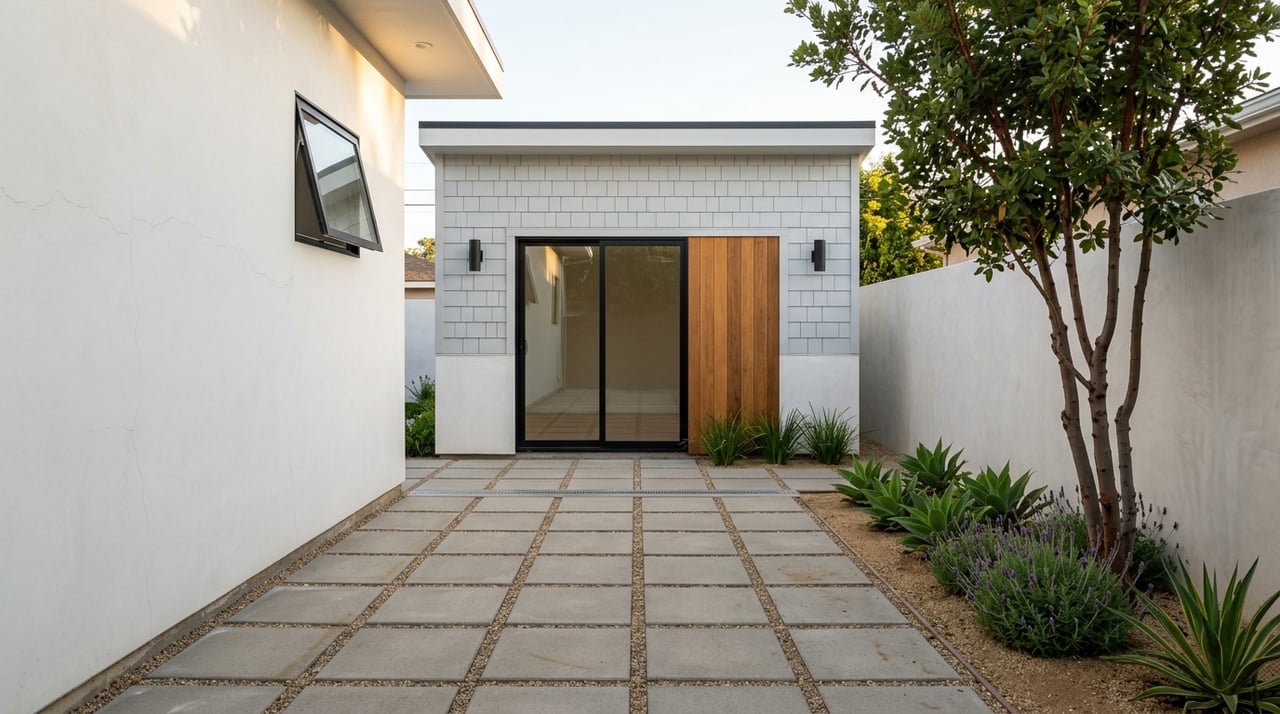
If you are considering an ADU, review the City’s submittal guidance and pre-approved options. In the Coastal Zone, ADUs can still require coordination with the Coastal Commission depending on the configuration. Start this conversation early with City planning staff using the City’s planning resources for ADUs.
Coastal air accelerates corrosion. FEMA’s NFIP Technical Bulletins emphasize corrosion protection for connectors, fasteners, and exposed metals in marine environments. For exterior hardware and concealed structural connections, prioritize stainless steel or correctly specified hot-dipped galvanized products, and follow manufacturer specs for coatings. You can review corrosion guidance in FEMA’s NFIP Technical Bulletins update.
If your home has flood exposure, choose flood-damage-resistant materials for areas below Base Flood Elevation and design to allow water to pass through as required. Your engineer and contractor can align selections with FEMA and code requirements. Maintain a simple written care plan that includes seasonal rinses of exterior metal and scheduled inspections of decks, rail posts, and ledger connections to reduce long-term risk.
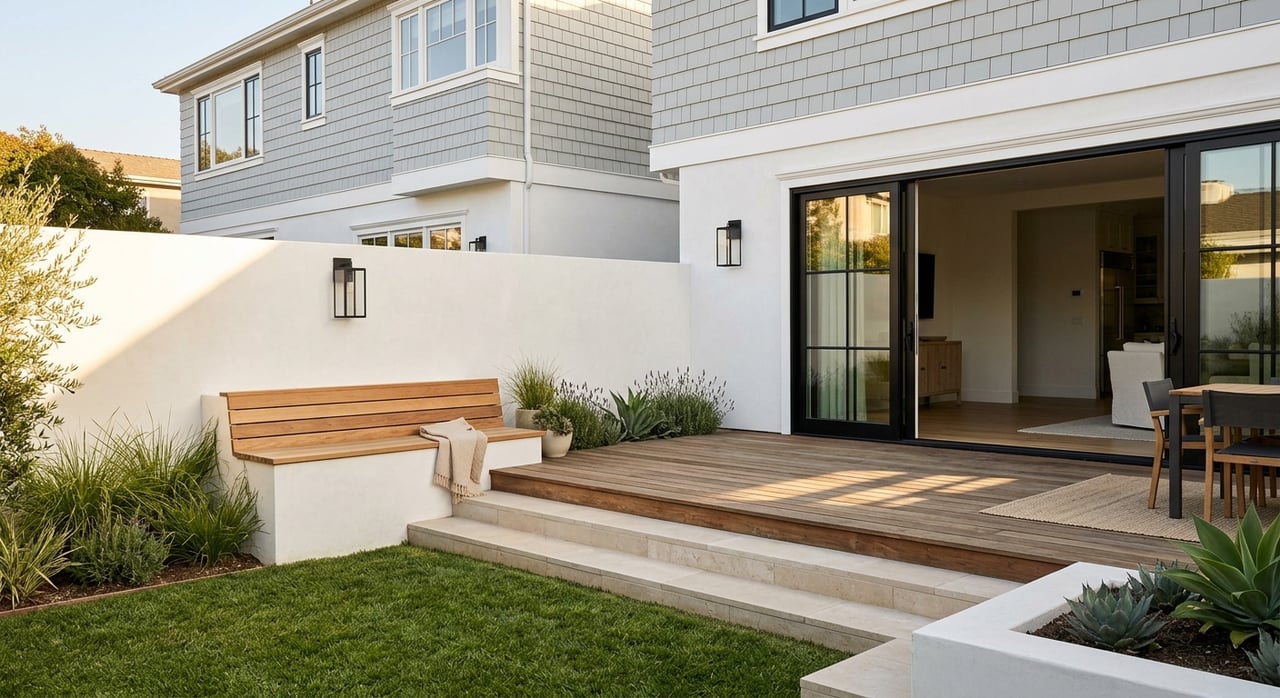
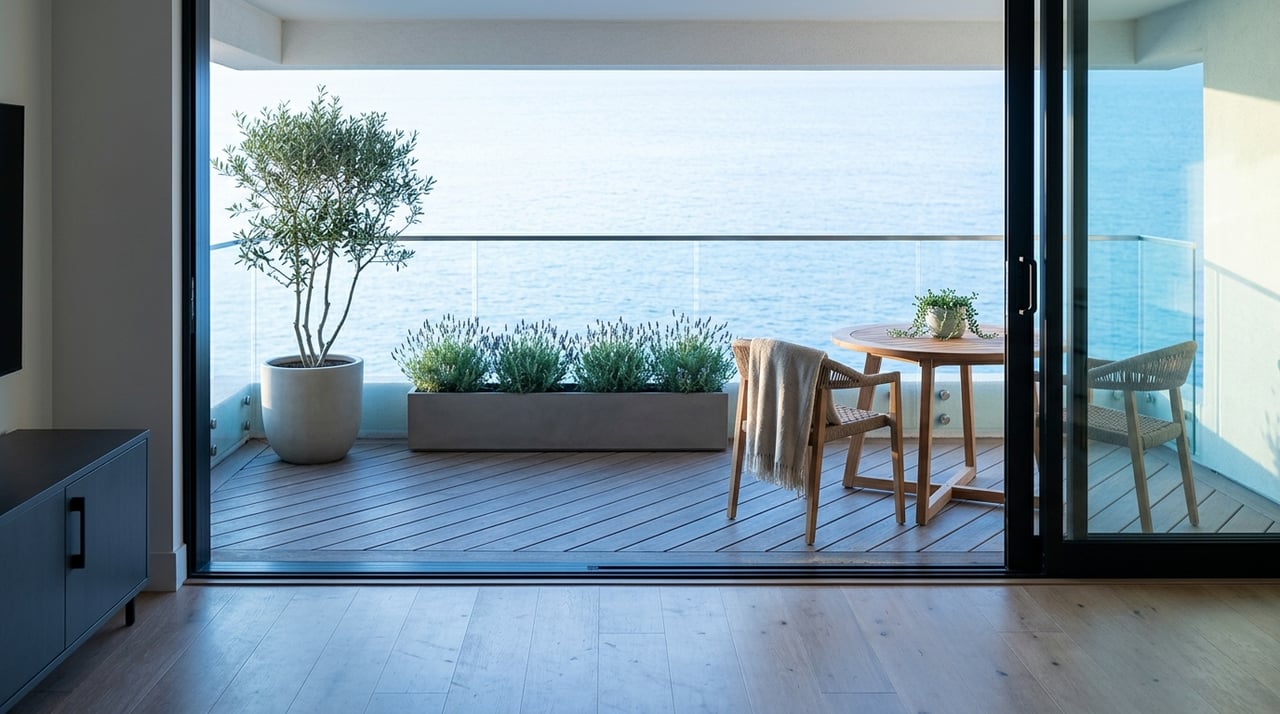
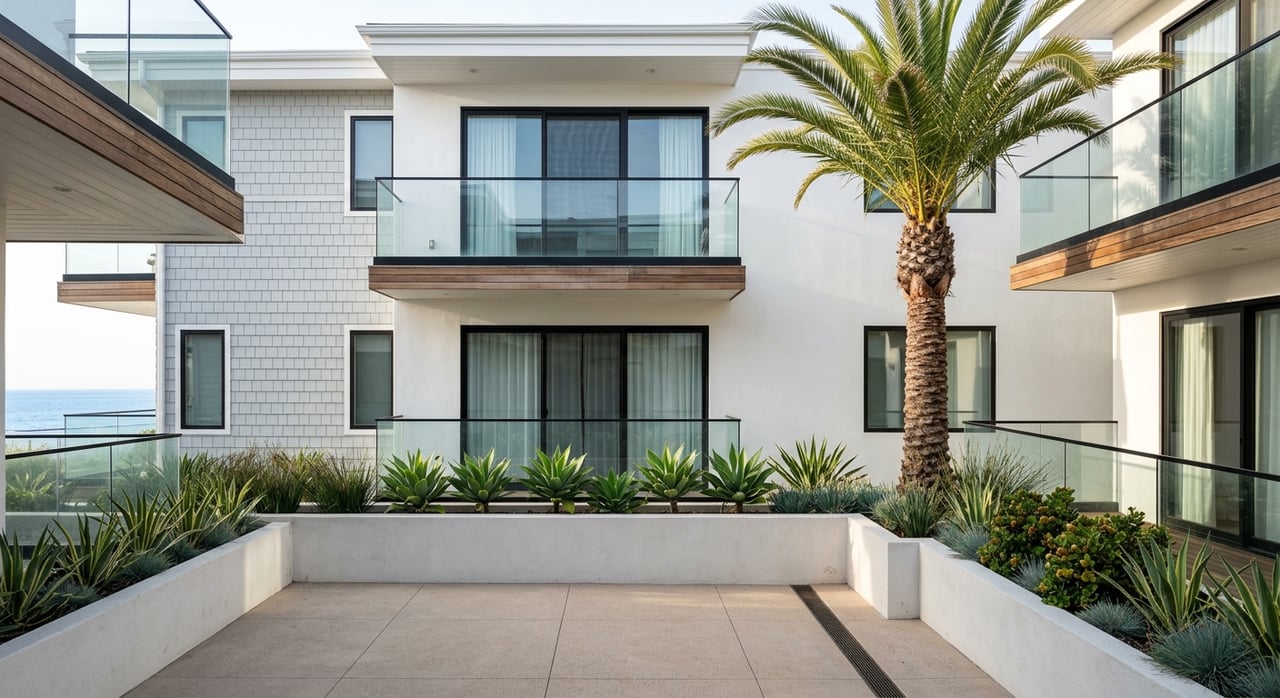
On the envelope, durable claddings like fiber cement, high-quality stucco systems, and coastal-rated windows and doors can reduce maintenance. For outdoor living spaces, specify corrosion-resistant fasteners and hardware on decks and guardrails, and consider glass guards with marine-grade fittings to preserve views.
Remodeling Magazine’s Cost vs. Value report shows that well-chosen exterior replacements and modest kitchen or bath updates tend to deliver stronger percent paybacks at resale. Use the national rankings as a benchmark while tailoring choices to the coast. Scan the latest Cost vs. Value report.
In Solana Beach, buyers value views, outdoor space, and low-maintenance durability. Consider these value-minded moves:
Follow a sequence that reduces surprises and keeps your schedule realistic.
If you want help weighing ROI, permit paths, and construction scope in Solana Beach, connect with a local advisor who speaks both design and build. With two decades of hands-on building and coastal market experience, Matt Kidd can help you map a clean path from concept to closing, whether you plan to enjoy the upgrade or prep for a future sale.
Stay up to date on the latest real estate trends.
Get assistance in determining current property value, crafting a competitive offer, writing and negotiating a contract, and much more. Contact Matt today to discuss all your real estate needs!