Condo Or Single-Family In Coronado: How To Decide
April 16, 2026
April 16, 2026
Wondering whether a condo or a single-family home makes more sense in Coronado? You are not alone. In a compact coastal city where a few blocks can change your beach routine, Village access, or bayfront convenience, the right choice often comes down to how you want to live day to day. This guide will help you compare ownership, lifestyle, costs, and location so you can make a more confident decision. Let’s dive in.
Coronado is a small coastal city connected to the mainland by the Silver Strand and the Coronado Bridge, with public parks, a boat launch, and bike and walking paths that shape everyday living. Because the city is so compact, small location differences can have a real impact on your routine, whether you care most about the beach, the bay, the marina, or downtown access. You can learn more about the city layout and amenities on the City of Coronado overview page.
Another factor is the local pattern of activity near Orange Avenue. The city’s planning framework highlights downtown Coronado and its village atmosphere, which makes “near the Village” a meaningful lifestyle distinction rather than just a marketing phrase. The city’s General Plan resources give helpful context for how that area fits into Coronado’s identity.
Price is also part of the decision. According to Redfin’s Coronado city guide, last updated February 28, 2026, the median sale price was $2.4 million for single-family homes and $1.8 million for condo and co-op homes. That gap does not tell the whole story, but it does help frame expectations as you compare options.
At a high level, condos usually offer a more shared ownership structure, while single-family homes often provide more exclusive control over the home and lot. In Coronado, that difference can shape everything from monthly costs to storage, yard space, and exterior decision-making.
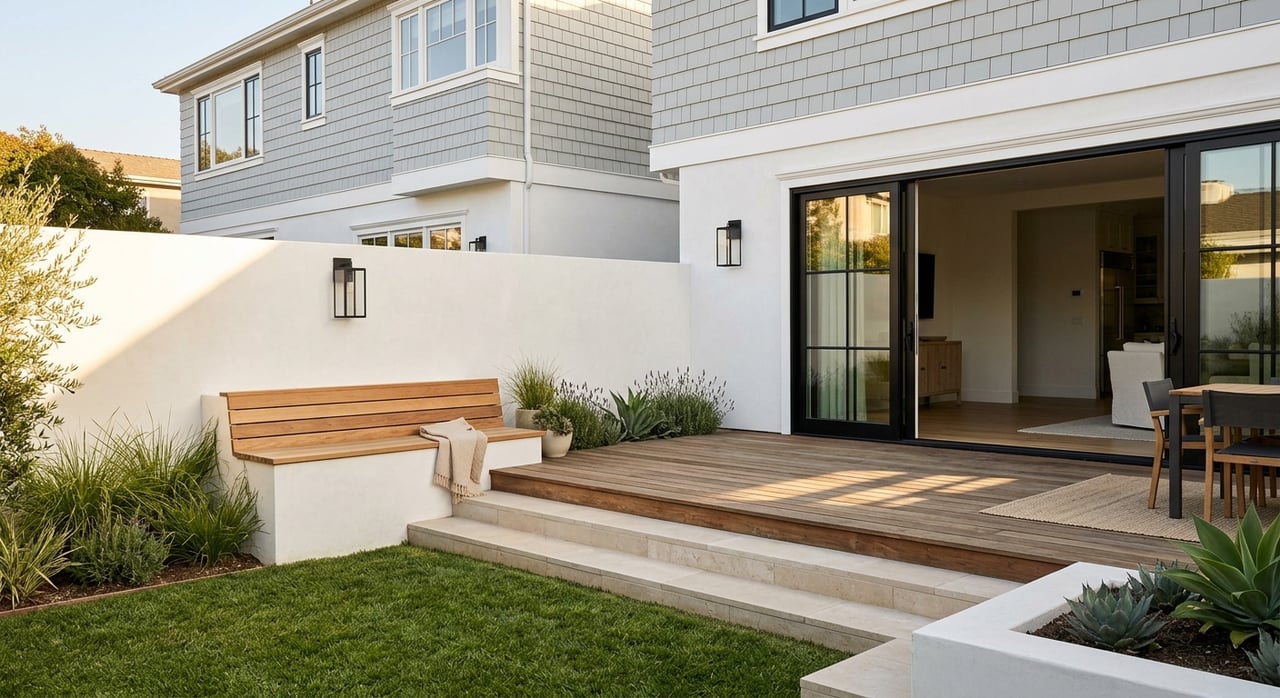
For many buyers, the decision is less about which property type is “better” and more about which tradeoffs fit their priorities. If you want simpler upkeep and easy access to daily amenities, a condo may check more boxes. If you value private outdoor space, flexibility, and more control over the property, a single-family home may feel like the stronger fit.
In California, homeowners associations often make and enforce rules for condominium buildings, planned communities, and residential subdivisions. Owners usually must join the HOA and pay fees or assessments, and the community’s CC&Rs define rights, responsibilities, and limitations. The California Attorney General’s HOA consumer guide is a useful starting point for understanding how that works.
The California Department of Real Estate also explains that common interest developments are not limited to attached condo buildings. Some include detached homes, but they still involve shared ownership or use of certain areas and facilities, often with an HOA maintaining those spaces. You can review those ownership structures in the DRE Residential Subdivisions Guide.
In practical terms, many condo buyers are drawn to a more lock-and-leave lifestyle. You may have less direct exterior upkeep, but you also take on community rules, board governance, and shared decision-making. Before you buy, it is smart to review the HOA documents closely and confirm what the dues cover.
The DRE distinguishes standard subdivisions from common interest developments by noting that a standard subdivision owner typically has exclusive ownership of a lot or parcel without common ownership of associated property. The same guide also notes that detached homes usually offer larger and more exclusive open space than higher-density housing types. That framework helps explain why single-family homes often appeal to buyers who want more room and more control.
In Coronado, that can translate into stronger appeal for buyers who prioritize:
That said, one detail is easy to miss: single-family does not always mean HOA-free. Some detached homes are located within common interest developments that still require an HOA to maintain shared improvements. That is why it is important to verify the legal structure of any home, not just the architectural style.
In a place like Coronado, your routine matters as much as the floor plan. The city’s coastal setting means your ideal home type may depend more on where you spend your time than on square footage alone.
If you picture easy mornings near Orange Avenue, quick access to errands, and less hands-on exterior maintenance, a condo may fit your lifestyle well. If you want more room for storage, private outdoor use, or flexibility around the home’s exterior and lot, a detached home may be more practical.
If beach time is a top priority, exact location matters. Coronado Beach is a wide sandy shoreline about 1.75 miles long, with year-round lifeguards at Central Beach and seasonal staffing at Public Beach and Glorietta Bay. That means being “in Coronado” is not the same as being close to your preferred access point.
For many buyers, the better question is not simply condo or single-family. It is whether the property is actually convenient for your beach routine. A smaller condo in the right location may support your lifestyle better than a larger detached home farther from the sand.
If you spend time on the water, your housing decision should focus on practical access. Glorietta Bay Marina sits next to the Hotel del Coronado and downtown MainStreet, has 100 slips, and currently has a waitlist. The same waterfront area also includes a public boat launch with temporary tie-ups, plus access for kayaks, paddleboards, and rowing sculls.
That makes the real question more specific: how close is the property to the marina, launch ramp, or bayfront access, and what storage options does it offer? In some cases, a bay-adjacent condo may serve a boating-focused lifestyle better than a larger inland house. Coronado’s compact geography makes those micro-location details especially important.
Before you decide, it helps to compare each property through the same lens. These questions can quickly reveal whether a condo or single-family home is the better fit for your goals.
Do not stop at the purchase price. Ask how much of the monthly cost comes from HOA dues, and what those dues actually cover. The DRE public reports page explains that public reports and governing documents help disclose HOA costs, assessments, and use restrictions.
How much say do you want over exterior changes, maintenance choices, and shared spaces? HOA-governed properties come with rules enforced through CC&Rs and board governance. If flexibility matters to you, this question should be near the top of your list.
If your goal is a walkable beach routine or easy Village access, make sure the property’s location supports that. In Coronado, a few blocks can change convenience in a major way. The same is true for bayfront access and boating-related use.
Think beyond bedrooms and bathrooms. Ask where you will keep beach gear, bikes, boards, or boating equipment, and whether the property gives you enough room for how you actually live. This is often where detached homes pull ahead, but not always.
If you are still torn, start by ranking your top three priorities. For example, you might choose low maintenance, beach proximity, and lock-and-leave convenience. Or you might choose private outdoor space, storage, and exterior flexibility.
Once you know your priorities, compare properties based on how well they support those daily needs. In Coronado, the best fit is often the home that aligns with your routine, not just the one with the most space or the lowest dues.
Choosing between a condo and a single-family home in Coronado is part financial decision, part lifestyle decision, and part location strategy. You want to look at ownership structure, HOA terms, access patterns, and the practical details of how you will use the home over time.
That is where builder-minded guidance can make a difference. If you want help comparing Coronado properties through both a lifestyle and technical lens, connect with Matt Kidd for a personalized conversation about what fits your goals best.
Stay up to date on the latest real estate trends.
Get assistance in determining current property value, crafting a competitive offer, writing and negotiating a contract, and much more. Contact Matt today to discuss all your real estate needs!