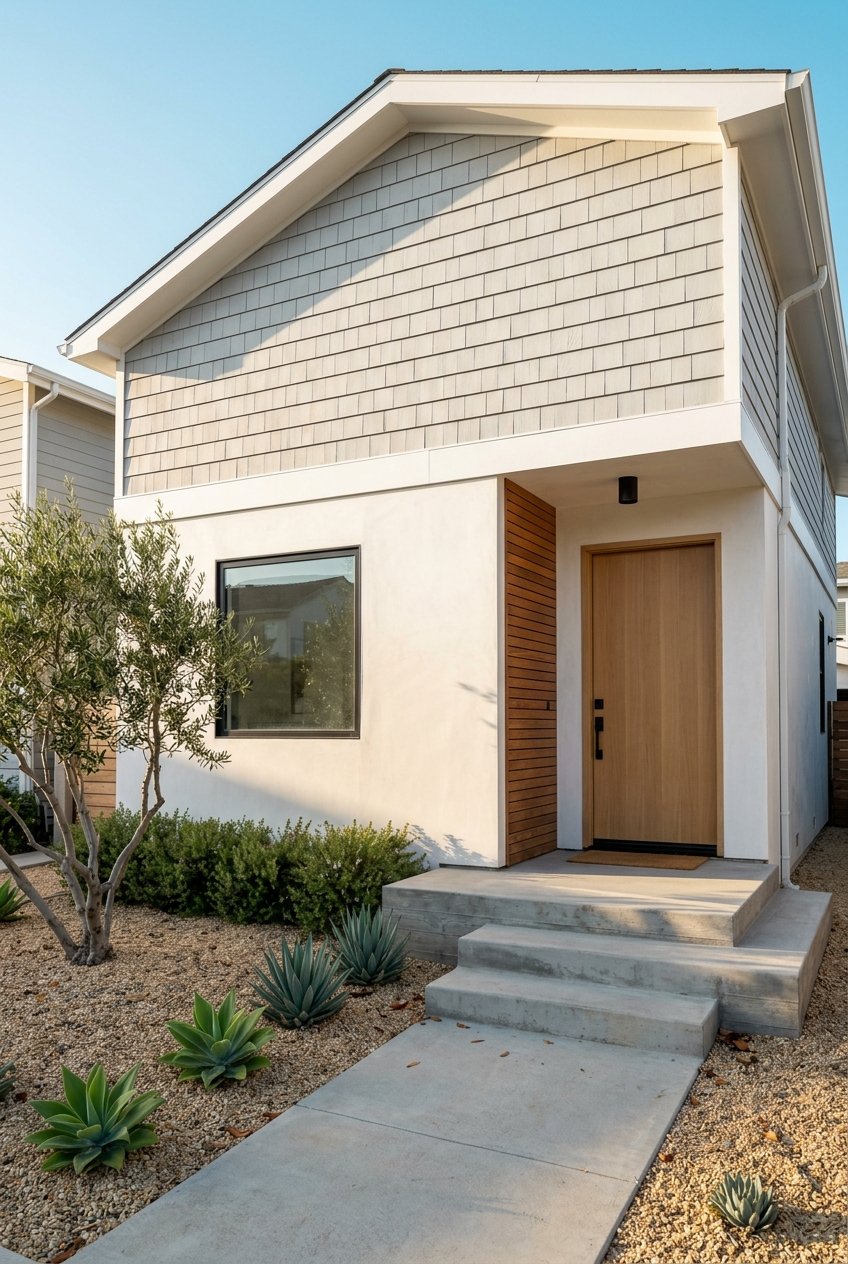
Bluff‑Top vs Beach‑Level Homes In Solana Beach
May 28, 2026
May 28, 2026
Choosing between a bluff-top home and a beach-level home in Solana Beach is not just about elevation. It is about how you want to experience the coast every day, how much access matters to you, and how comfortable you are with the tradeoffs that come with oceanfront ownership. If you are trying to decide which setting fits your lifestyle and long-term goals, this guide will help you compare the view, access, maintenance, and market differences that matter most. Let’s dive in.
Solana Beach is a small coastal market with about 1.7 miles of beachfront. That shoreline is organized around four main beach parks: Fletcher Cove, Tide Beach Park, Seascape Surf, and Del Mar Shores. Because the beaches are relatively narrow and access is limited in places, where your home sits can shape your daily routine more than you might expect.
The city’s Local Coastal Program notes that Solana Beach has eight vertical access points to the beach, with four public and four private. It also notes that lateral beach access can be limited during high tide, while bluff-top lateral access is not available in many places because of private property, steep bluff faces, and fragile bluff conditions. In plain terms, bluff-top and beach-level homes offer two very different ways to live near the same ocean.
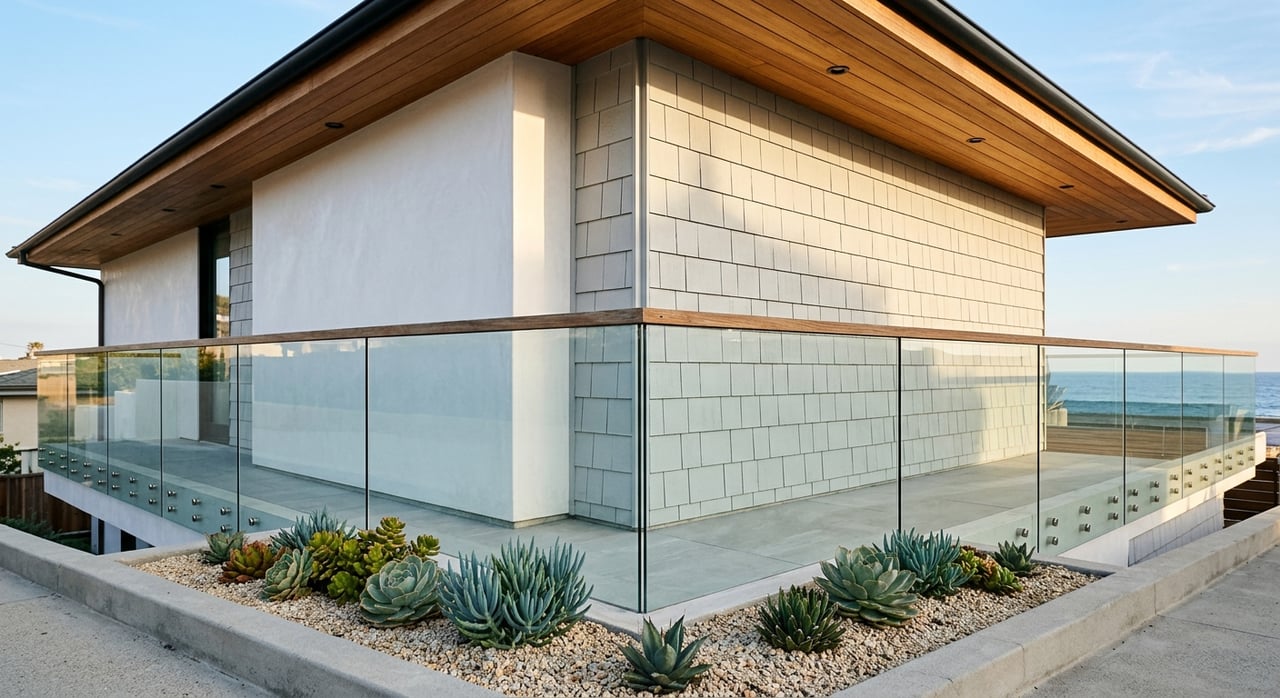
If your dream is to wake up to a wide Pacific horizon, bluff-top living will usually check that box best. Recent Solana Beach oceanfront examples on South Sierra Avenue highlight panoramic ocean views, covered decks, and full walls of glass designed to pull the coastline into the home. That design pattern is common in this setting because the view is the main event.
Bluff-top homes also often feel more removed from the busiest public beach access corridors. Based on the city’s access layout, that can translate to a greater sense of separation from the stairs, parking areas, and daily beach traffic. If you value visual privacy and a more elevated coastal feel, that difference can be meaningful.
Bluff-top homes often make the most sense if you prioritize:
This setting tends to suit buyers who want the coast as a backdrop to everyday life, not just a place to drop a towel for the afternoon.
Beach-level homes offer a different kind of luxury. Instead of leading with height and outlook, they lead with convenience. If you want the shortest possible route to the sand, surf, and nearby coastal amenities, this option usually wins.
In Solana Beach, that matters because public access points and beach-use activity cluster around places like Fletcher Cove, Seascape Surf, and Del Mar Shores. The city’s beach information highlights nearby parking, showers, and other public amenities in these areas. For buyers who picture multiple beach walks a day, quick surf sessions, or an easy stroll to the shoreline, beach-level living can feel much more intuitive.
Beach-level homes often work best if you prioritize:
In other words, beach-level homes tend to support a more grab-your-sandals-and-go lifestyle.
For most buyers, the biggest question is simple: do you care more about the view or the route to the beach? In Solana Beach, bluff-top homes generally have the stronger ocean outlook because they sit above the shoreline. Beach-level homes generally have the easier day-to-day beach access because they are closer to the city’s stairs, beach parks, and activity zones.
That tradeoff feels sharper here than in some other coastal markets. Solana Beach’s narrow shoreline and limited lateral access mean beach movement is not always seamless, especially during higher tides. So the difference between being above the coast and being right near the access points can shape how often you actually use the beach.
Both property types lean into indoor-outdoor living, but they do it in different ways. Bluff-top homes tend to focus on decks, window walls, covered terraces, fire features, and outdoor spaces oriented toward the horizon. These homes often use architecture to frame the ocean as part of the main living experience.
Beach-level homes tend to center more on easy circulation and practical coastal use. Recent Solana Beach examples include private balconies, open-concept interiors, and community amenities such as pools, tennis courts, and hot tubs. The outdoor experience is often less about commanding a panoramic view and more about convenience, comfort, and low-friction access to the beach.
Solana Beach is already a premium market before you even narrow the search to coastal homes. Redfin reported a citywide median sale price of $2.68 million in March 2026, with homes averaging about 15 days on market and the market described as very competitive. That sets the stage for understanding just how selective this decision can be.
Recent beach-level and condo or townhome examples have clustered from the mid-$1 millions into the low-$2 millions. Some examples on South Sierra and nearby coastal addresses were listed or sold around $1.649 million, $1.6999 million, $1.805 million, and $1.889 million. Even so, premium oceanfront condos can push much higher, with one bluff condo at 441 South Sierra #308 selling for $2.9 million.
Recent bluff-top and true oceanfront detached homes have generally reached a higher ceiling. Examples in current and recent inventory included homes in the roughly $3.95 million to $4.35 million range, along with a Pacific Avenue property at $6.995 million. The key takeaway is that view corridor, frontage, lot size, and whether the home is detached or attached all play a major role in pricing.
A bluff-top home may photograph beautifully, but ownership in Solana Beach comes with real planning and maintenance considerations. The city notes that erosion has narrowed beaches and pushed waves directly against the bluffs in some areas, creating concerns for infrastructure and beach safety. The city is also pursuing sand replenishment and broader shoreline management to improve coastal resiliency.
For bluff properties, the review process can be more involved. Solana Beach requires all building permit applications in the city to be reviewed and approved by the California Coastal Commission before issuance. On top of that, projects on bluff properties, in inland bluff areas, or in hillside overlay areas may require geologic reconnaissance, and bluff retention devices have their own permit pathway.
The city also applies a view-assessment process to new structures over 16 feet in height. If you are considering remodeling, expanding, or materially altering a bluff-top property, you should go in with clear expectations about review timelines and planning complexity. This is where a buyer benefits from having an agent who can look beyond the finishes and ask smart questions about structure, drainage, and future project feasibility.
It is easy to assume beach-level homes are simpler because they are not perched on a bluff, but they still come with coastal ownership realities. Salt air and ocean spray can accelerate wear on exterior materials, and marine environments are known to increase corrosion. Sand, moisture, and exposure are part of the package when you live this close to the water.
That means buyers should pay attention to exterior materials, drainage, and the condition of doors, windows, railings, hardware, and outdoor surfaces. Solana Beach’s planning framework also calls for drainage and erosion control measures in new development. Whether you buy bluff-top or beach-level, smart coastal ownership starts with understanding how the site performs over time, not just how it looks on a showing day.
If you are stuck between the two, start by thinking about your ideal Saturday. If your perfect day begins with coffee on a deck and a long horizon view, bluff-top living may feel worth the added complexity and higher price ceiling. If your ideal day means walking to the sand more than once, coming and going easily, and keeping the beach close at hand, beach-level may be the better fit.
It also helps to think about your tolerance for projects. Buyers interested in renovation potential, structural questions, or long-term improvements should look closely at the city’s permitting framework, especially for bluff properties. In a market like Solana Beach, lifestyle and technical due diligence need to go hand in hand.
The right choice is not about which home type is better on paper. It is about which one matches the way you actually want to live on the coast, and which tradeoffs you are comfortable carrying over time. If you want help comparing specific Solana Beach properties with an eye on both lifestyle and construction reality, connect with Matt Kidd for a thoughtful, high-touch approach.
Stay up to date on the latest real estate trends.
Get assistance in determining current property value, crafting a competitive offer, writing and negotiating a contract, and much more. Contact Matt today to discuss all your real estate needs!