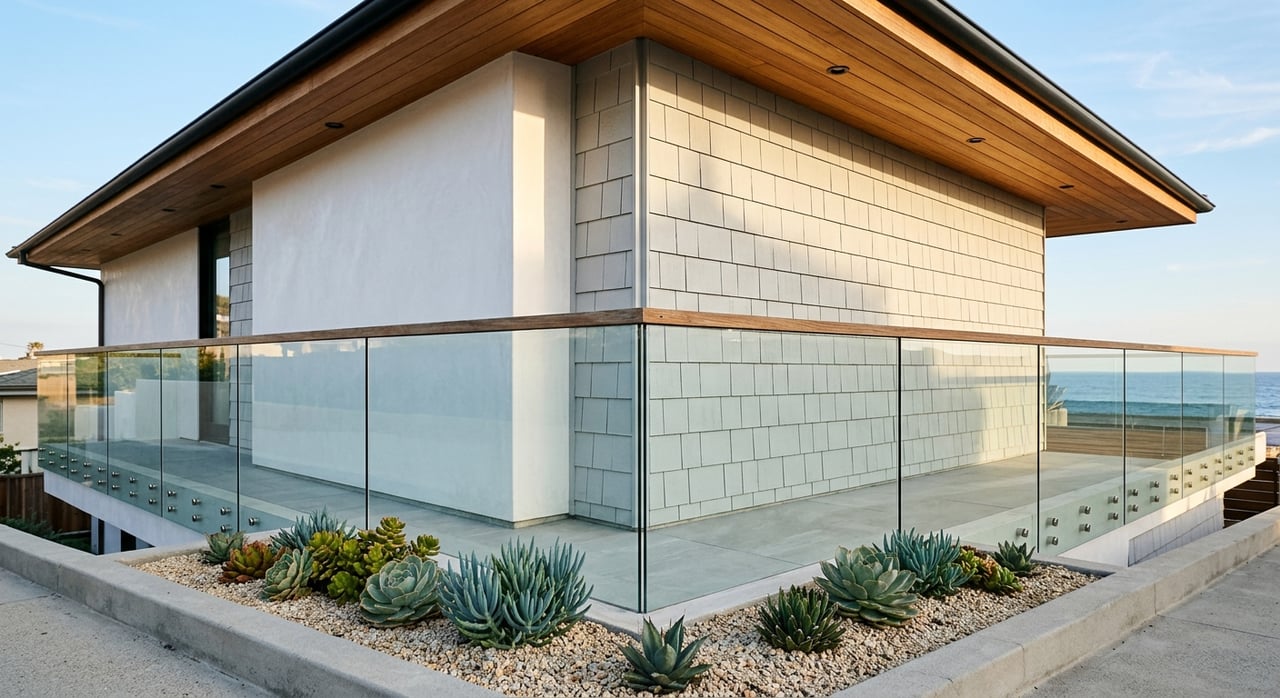
Preparing A View Home For Sale In La Jolla
July 9, 2026
July 9, 2026
Selling a La Jolla view home is not just about putting a property on the market. You are really presenting a combination of outlook, light, condition, and lifestyle in one package. When buyers scroll listings online and compare one coastal home to the next, small details can shape how valuable your home feels before they ever step inside. Let’s dive in.
La Jolla is a coastal community shaped by bluffs, beaches, canyons, and hillsides, and the City of San Diego describes it as 99 percent built out. In a market like that, view properties stand out, but they also face closer scrutiny. Buyers are not only looking at square footage or finishes. They are also judging how well your home captures its setting.
That matters even more because so much of the search starts online. In 2024, 43 percent of buyers began their search on the internet, 51 percent found the home they purchased through online searches, and 41 percent said listing photos were very useful. Floor plans also mattered to 31 percent of buyers, which means clear visual presentation and layout clarity can directly affect interest.
For a La Jolla view home, the view is not a bonus. It is one of the main features buyers are paying for. Your preparation should help buyers notice that feature immediately, both online and in person.
Start by looking at each room from the perspective of a first-time visitor. Ask yourself what the eye lands on first when someone enters the space. If furniture, accessories, or dark corners compete with the ocean, canyon, or hillside outlook, the room is not working hard enough.
Bulky furniture near window walls can make a room feel smaller and can interrupt sightlines. In many view homes, a simpler layout makes the space feel more expensive because it lets the natural setting do the work. Pull large pieces away from key windows when possible and keep the path to the view open.
NAR guidance for photo preparation also notes that cameras magnify clutter, poor furniture placement, and grime. What feels acceptable in daily life often looks distracting in listing photos. That is why editing the room matters as much as cleaning it.
Natural light and view usually go hand in hand in La Jolla. Open blinds, remove heavy visual distractions around windows, and make sure glass is spotless before photography day. Even salt film, fingerprints, or light haze on the glass can soften a view in photos.
Practice photos before the professional shoot can help you spot what your eye overlooks. A room that feels bright in person may still read flat on camera if decor is too busy or furniture blocks daylight.
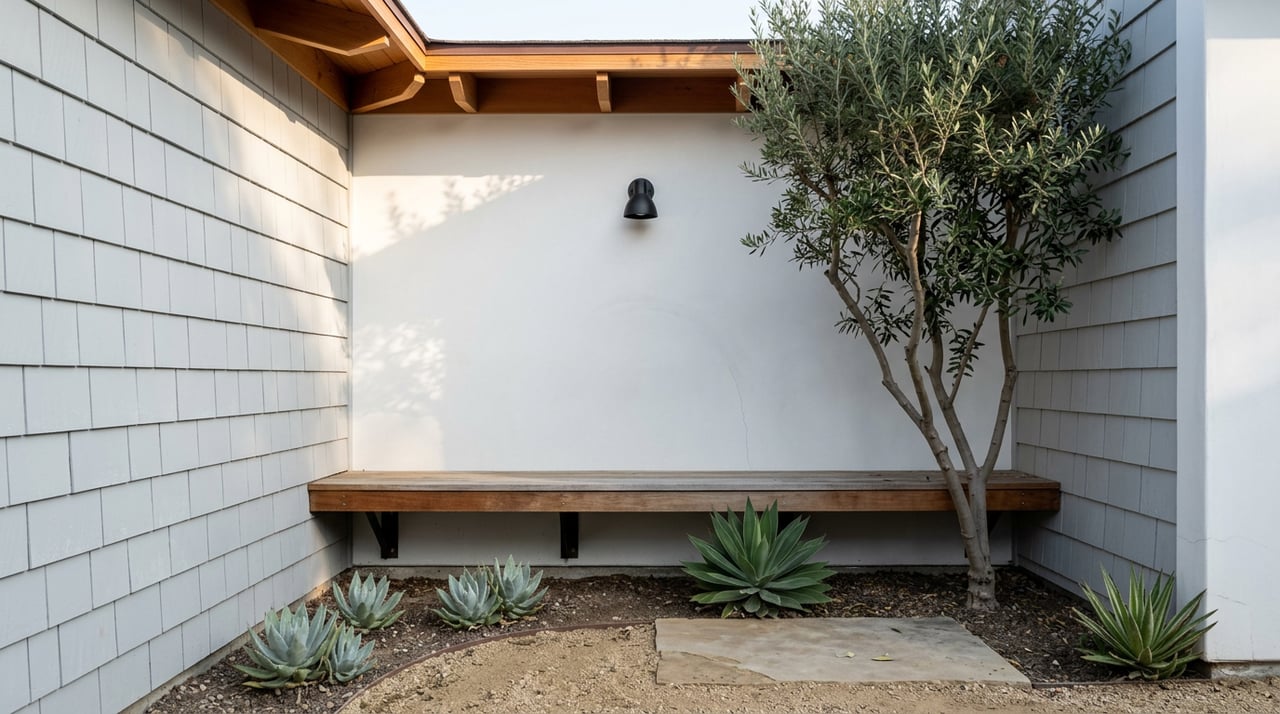
Landscaping can either frame a view or hide it. If shrubs, branches, or overgrown plantings interrupt your sightline, trimming may be one of the highest-impact items on your prep list.
If a tree or planted area is in the public right-of-way, the City of San Diego says street trees can be trimmed, removed, planted, or root-pruned through a no-fee permit after inspection. The City also notes trimming may be done to provide visibility and clearance. If you are not sure where your landscaping falls, it is smart to verify before scheduling work.
Many La Jolla sellers want to make quick exterior improvements before listing. That can be a smart move, but coastal properties often come with added review considerations.
The City of San Diego says that in the Coastal Overlay Zone, a project may need a Coastal Development Permit before a construction permit is issued, and discretionary review is common for projects in the coastal zone or environmentally sensitive lands. If you are considering work involving fences, patios, decks, grading, or vegetation removal near beaches, bluffs, slopes, or flood-hazard areas, confirm whether approvals are needed before work begins.
In most cases, your best pre-sale projects are cosmetic and presentation-driven. Think in terms of polishing rather than reimagining. The goal is to improve what buyers see right away without creating permit delays.
Good examples include:
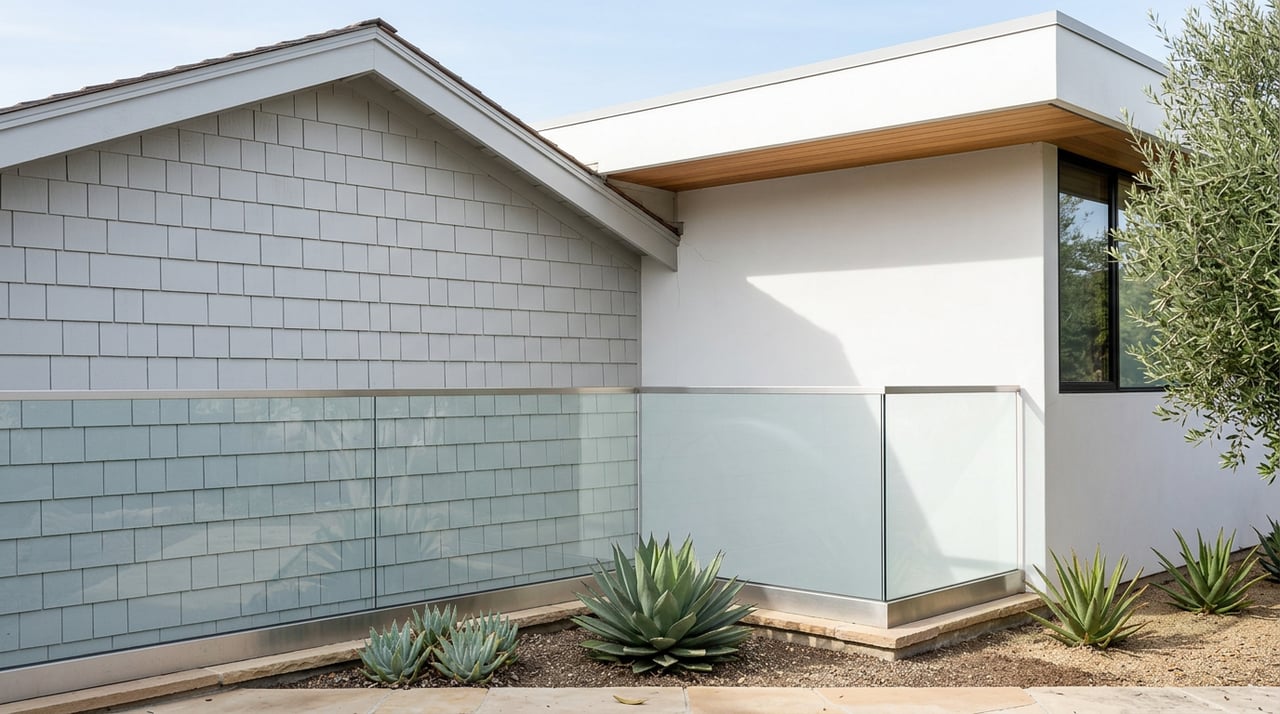
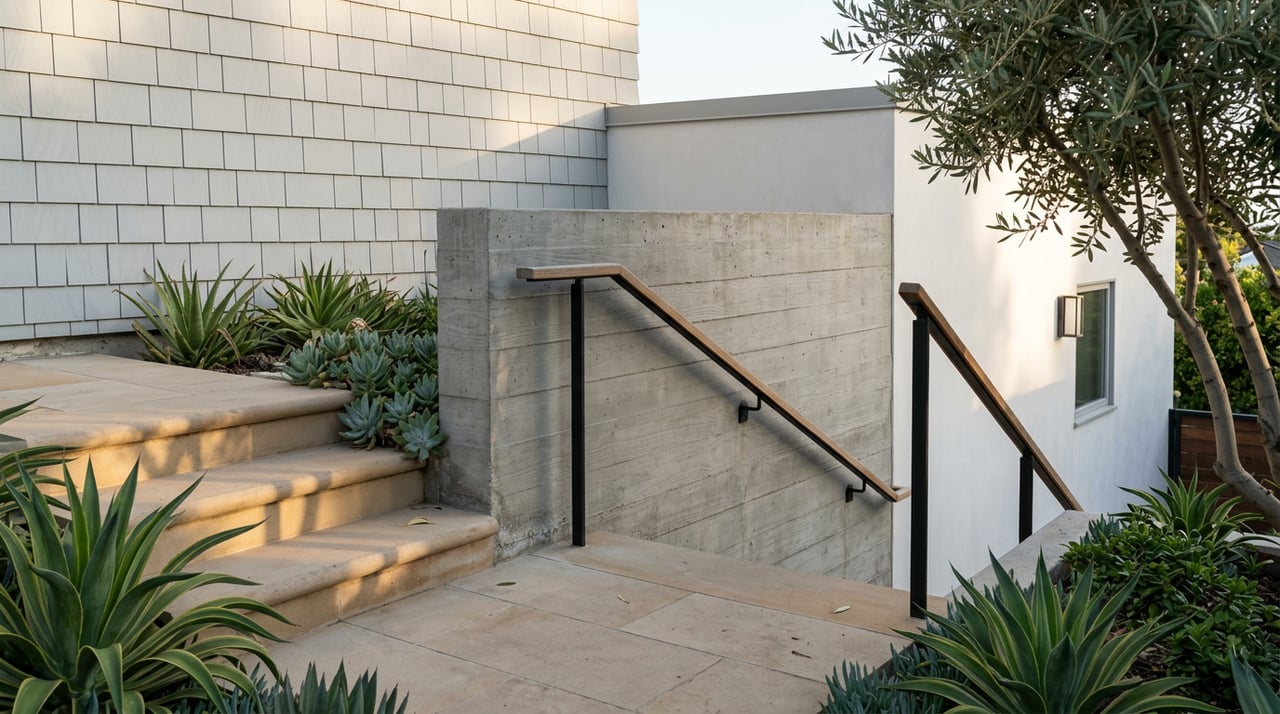
Coastal homes age differently. NOAA coastal-hazards guidance notes that salt spray frequently corrodes building materials in coastal environments and that moisture can contribute to decay. In practical terms, that means La Jolla sellers should pay close attention to the kind of wear that buyers notice quickly.
A rusted hinge, weathered railing, or tired exterior finish may seem minor on its own. But in a luxury coastal setting, those details can make buyers wonder what else has been deferred. The strongest listings tend to feel cared for at every touchpoint.
Before listing, pay close attention to:
Small cosmetic repairs often deliver strong returns because they improve both photos and in-person impressions. If you plan to list within the next 6 to 12 months, these details are often worth addressing early.
Not every room needs the same level of effort. NAR’s 2025 staging report found that 83 percent of buyers’ agents said staging made it easier for buyers to visualize a property as a future home. The most commonly staged rooms were the living room, primary bedroom, and dining room.
For a La Jolla view home, those spaces usually matter even more because they often connect most directly to the outlook, natural light, and indoor-outdoor flow. If your budget or time is limited, focus there first.
The living room is often where buyers expect the view to make its biggest impression. The primary bedroom can reinforce the feeling of retreat and privacy. The dining area helps buyers imagine entertaining against a coastal backdrop.
Your staging strategy should support those moments, not compete with them. Keep decor edited, furniture scaled to the room, and accessories intentional. A calm, clean presentation usually performs better than a heavily styled one in a view property.
Online marketing is often your first showing. That is especially true in a market where buyers may be relocating, comparing homes remotely, or filtering quickly based on photos.
NAR guidance recommends opening blinds, removing distracting items, and taking practice photos before the professional shoot. That advice matters because cameras are less forgiving than the human eye. They flatten depth, highlight clutter, and exaggerate awkward furniture placement.
Before photography, walk through your home as if you were producing a hospitality experience. Clear counters, simplify shelves, hide cords, and remove personal items that pull attention. The cleaner and more open the room reads, the easier it is for buyers to understand both the space and the view.
Since floor plans are also valuable to buyers, make sure each room has a clear purpose. If a loft, bonus room, or flex space feels ambiguous, buyers may struggle to place it within the layout. Defined use helps the home feel more functional and easier to evaluate.
Preparation is not only visual. It is also strategic. California’s Department of Real Estate says the Real Estate Transfer Disclosure Statement is a disclosure of the property’s condition, not a warranty, and not a substitute for inspections.
That distinction matters for sellers. Buyers are still encouraged to investigate the property’s electrical, plumbing, and structural integrity, which is why many sellers benefit from identifying issues before the home goes live.
A pre-list inspection is not always required, but it can give you more control. If a condition issue appears, you can decide whether to repair it, disclose it, or account for it in pricing and negotiations before a buyer discovers it mid-escrow.
For coastal homes, this can be especially useful where deferred maintenance may show up around windows, exterior elements, moisture exposure, or older systems. Surprises tend to feel more expensive when buyers are already paying a premium for setting and presentation.
California also requires a Natural Hazard Disclosure Statement covering mapped hazards such as special flood hazard areas, dam inundation areas, earthquake fault zones, seismic hazard zones, and fire-hazard areas. The DRE form notes that these hazards may affect development, insurance availability, or disaster assistance.
If your property is part of an HOA or another common-interest community, additional documents may also matter. DRE notes that public reports can include CC&Rs, association costs and assessments, and other material disclosure information. Pulling these documents together early can help your sale move with fewer last-minute scrambles.
If you want to keep your preparation focused, start with the items most likely to affect buyer perception and escrow strength. In La Jolla, that usually means protecting the view, improving light, correcting visible coastal wear, and organizing your disclosures early.
A practical prep sequence often looks like this:
When done well, this approach helps your home feel polished, intentional, and market-ready without losing time on lower-impact projects.
If you are getting ready to sell a La Jolla view home, the right strategy is usually a mix of design sense, technical judgment, and disciplined execution. That is where builder-level perspective can make a real difference, especially when you are deciding what to fix, what to leave alone, and how to present the property for maximum impact. If you want a tailored plan for your home, connect with Matt Kidd for a high-touch, coastal-savvy selling strategy.
Stay up to date on the latest real estate trends.
Get assistance in determining current property value, crafting a competitive offer, writing and negotiating a contract, and much more. Contact Matt today to discuss all your real estate needs!